A Normal Day in Japan Visiting Hard-Off
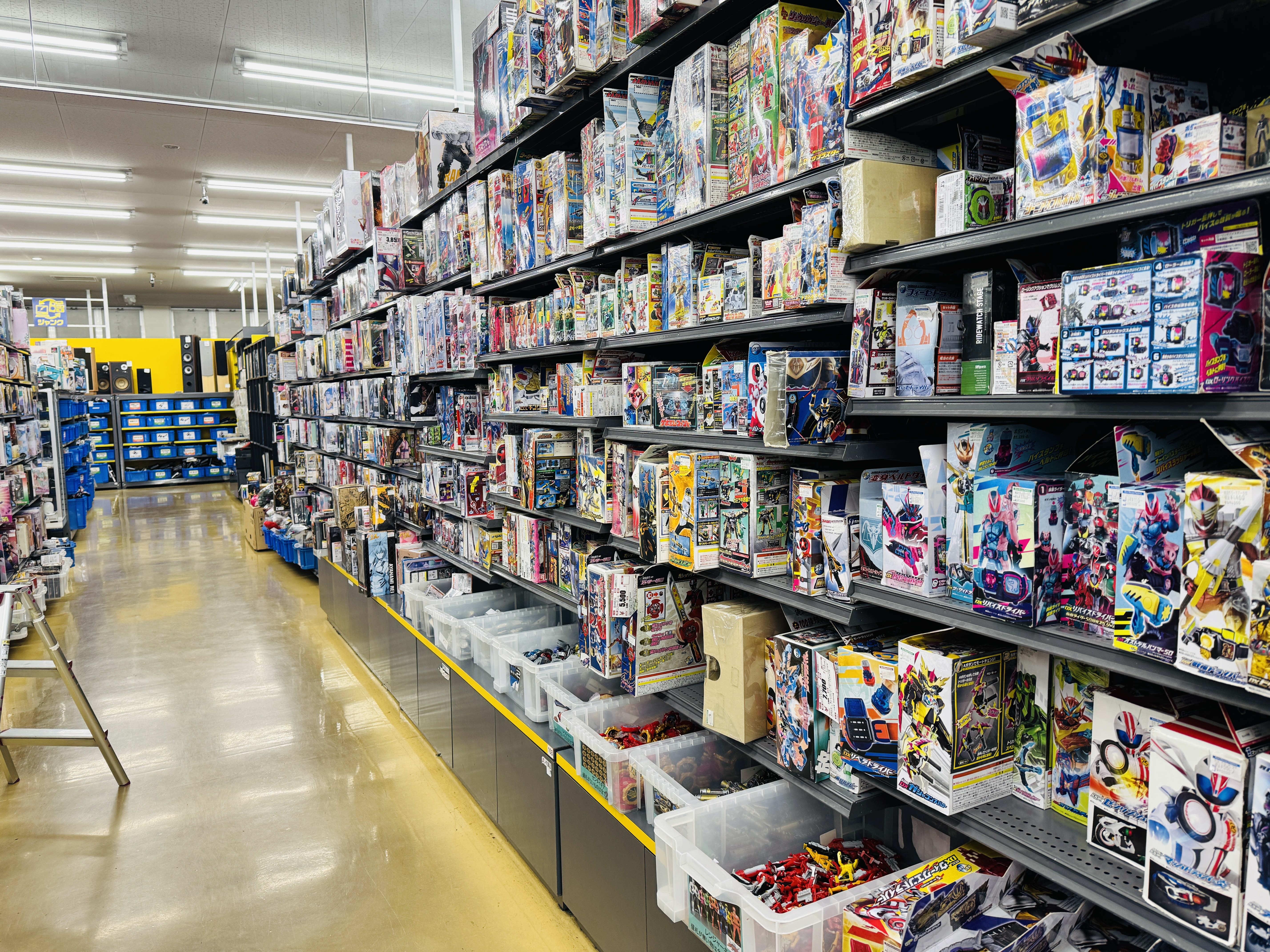
Today, I want to share something very ordinary for me my daily life in Japan.
This time, I visited Hard-Off, a well-known secondhand store chain found all across the country.
Hard-Off is part of the Book-Off group, but instead of focusing on trading cards, it mainly carries toys, figures, games, and many nostalgic items.
Personally, I don’t really think of myself as “a card shop.”
I prefer to see what I do as something closer to a Japanese souvenir shop.
At first glance, people may assume that sellers are professionals and buyers are amateurs.
But when it comes to hobbies, collections, and memories, I don’t believe in that kind of hierarchy.
What matters most is whether something resonates with the person in front of you.
If someone is looking for a specific card, an old game, or a piece of nostalgia,
I want to listen, suggest, and share that experience together.
That mindset is why I focus on introducing Japan itself, not just selling products.
To do that properly, I believe I first need to enjoy my own daily life.
If I’m not enjoying it, I can’t share that feeling with anyone else.
That’s why I’m always out visiting different shops,
researching the market,
searching for items requested by customers,
and simply experiencing Japan as it is.
Today’s visit to Hard-Off was just one small part of that routine.
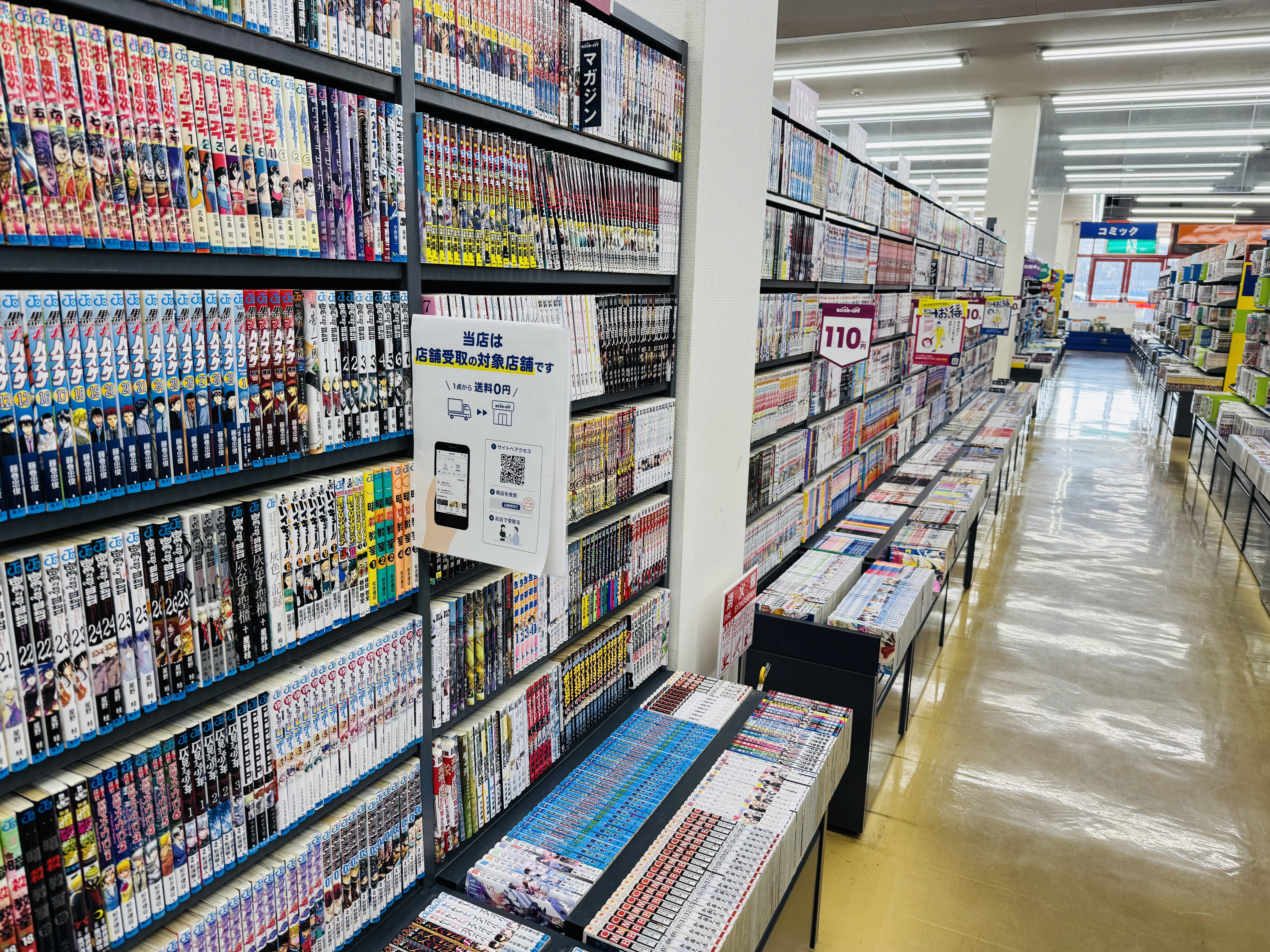
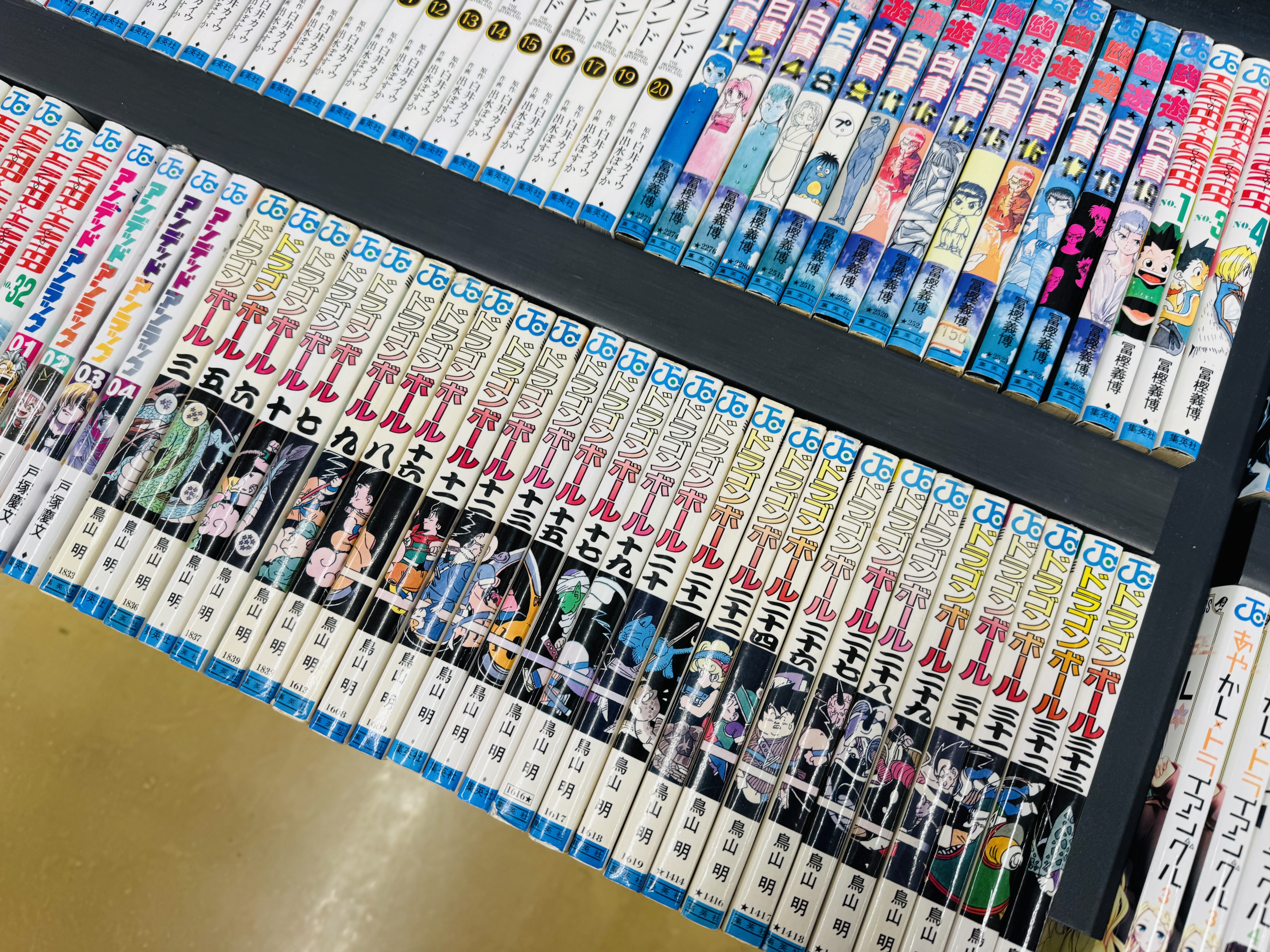
I started in the used book section, looking for Dragon Ball Volume 1.
To be honest, I didn’t find it.
They had Volume 3, but not Volume 1, so I decided not to buy anything.
Dragon Ball Volume 1 was originally released in September 1985 nearly 40 years ago.
When I was a child, I actually read it in Weekly Jump, but back then, I skipped over it without much interest.
It wasn’t until I became an adult that I truly began to appreciate it.
The author has since passed away, which makes these books feel even more meaningful to me.
My journey with Dragon Ball is far from over.
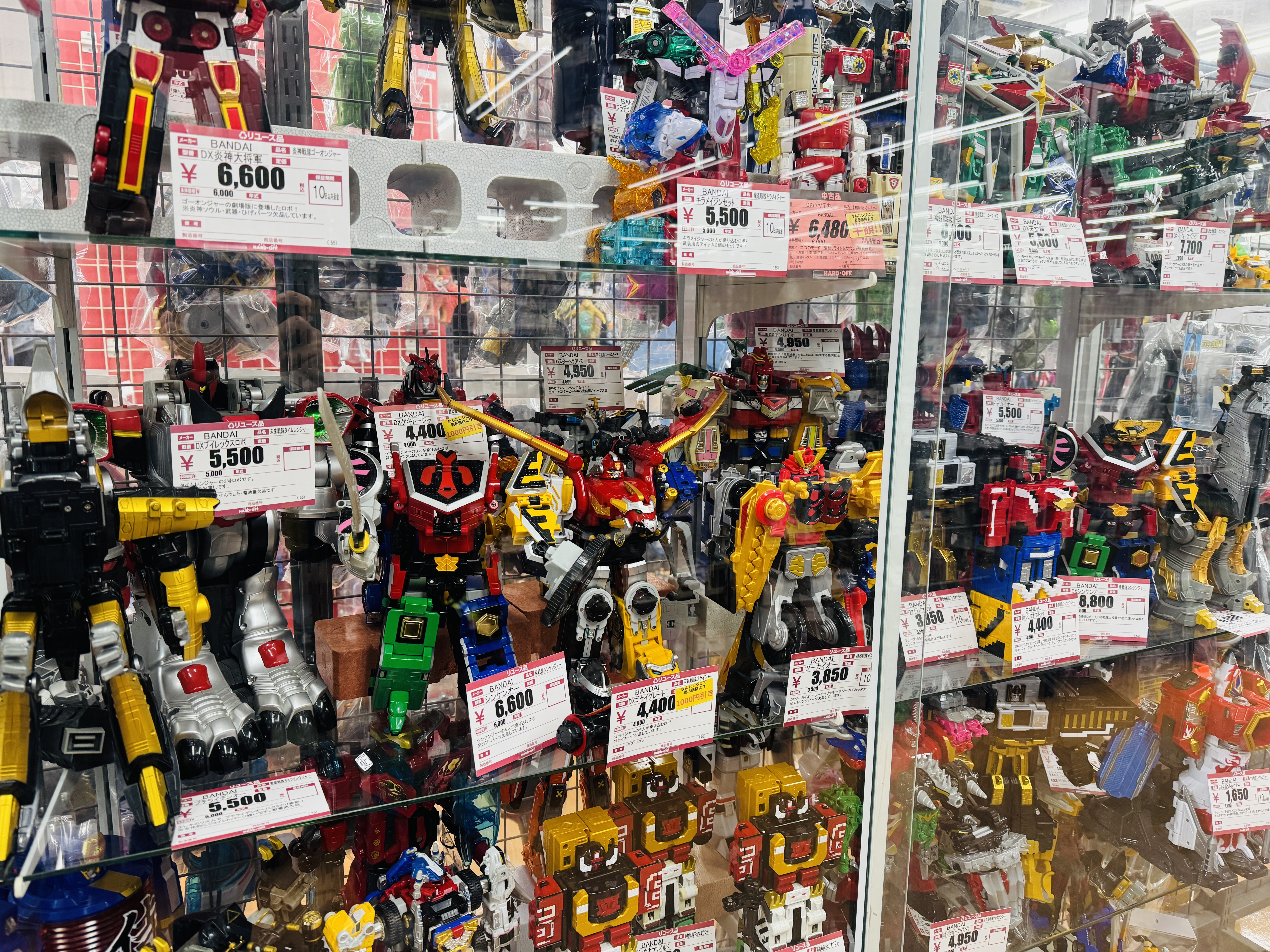
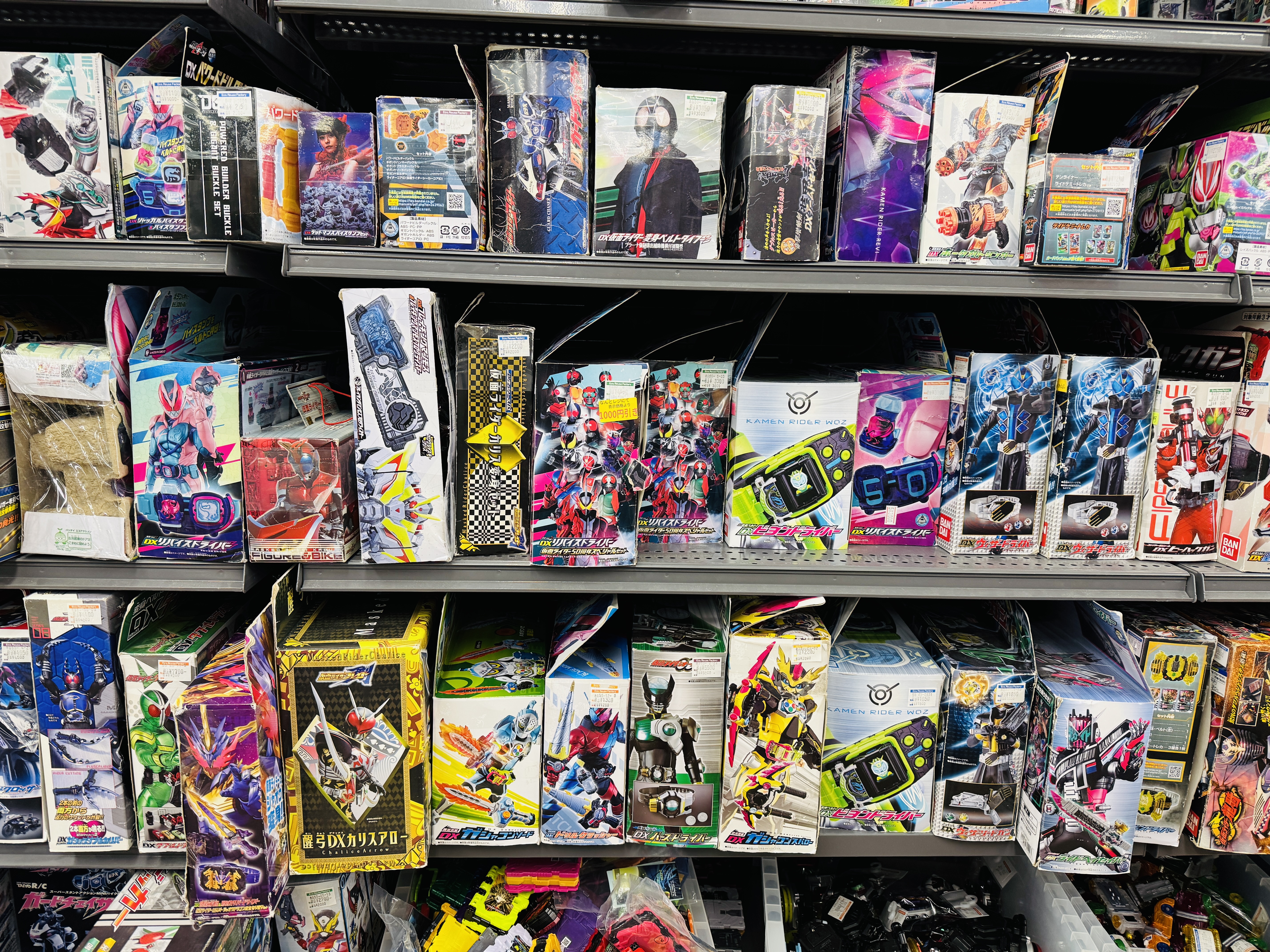
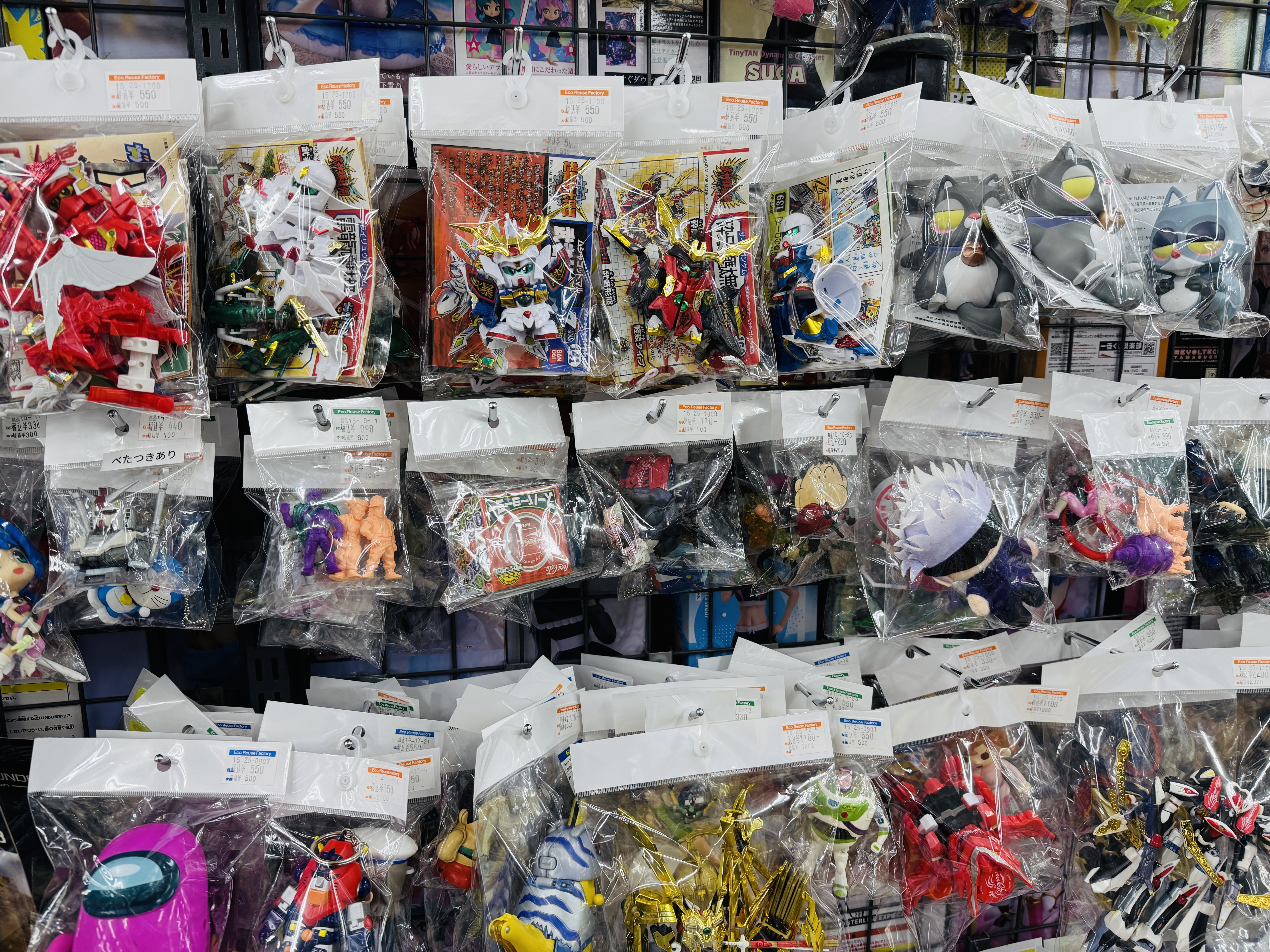
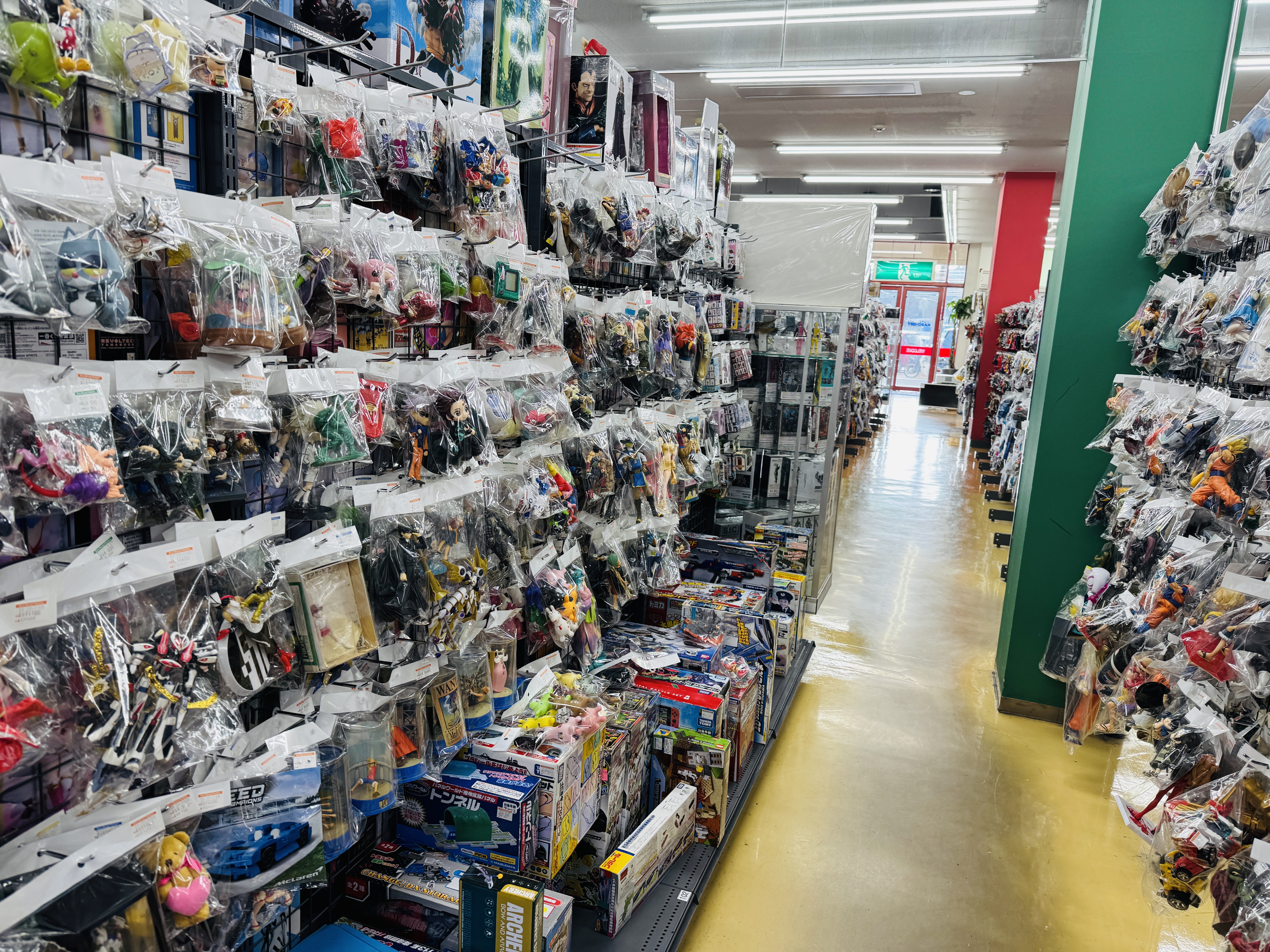
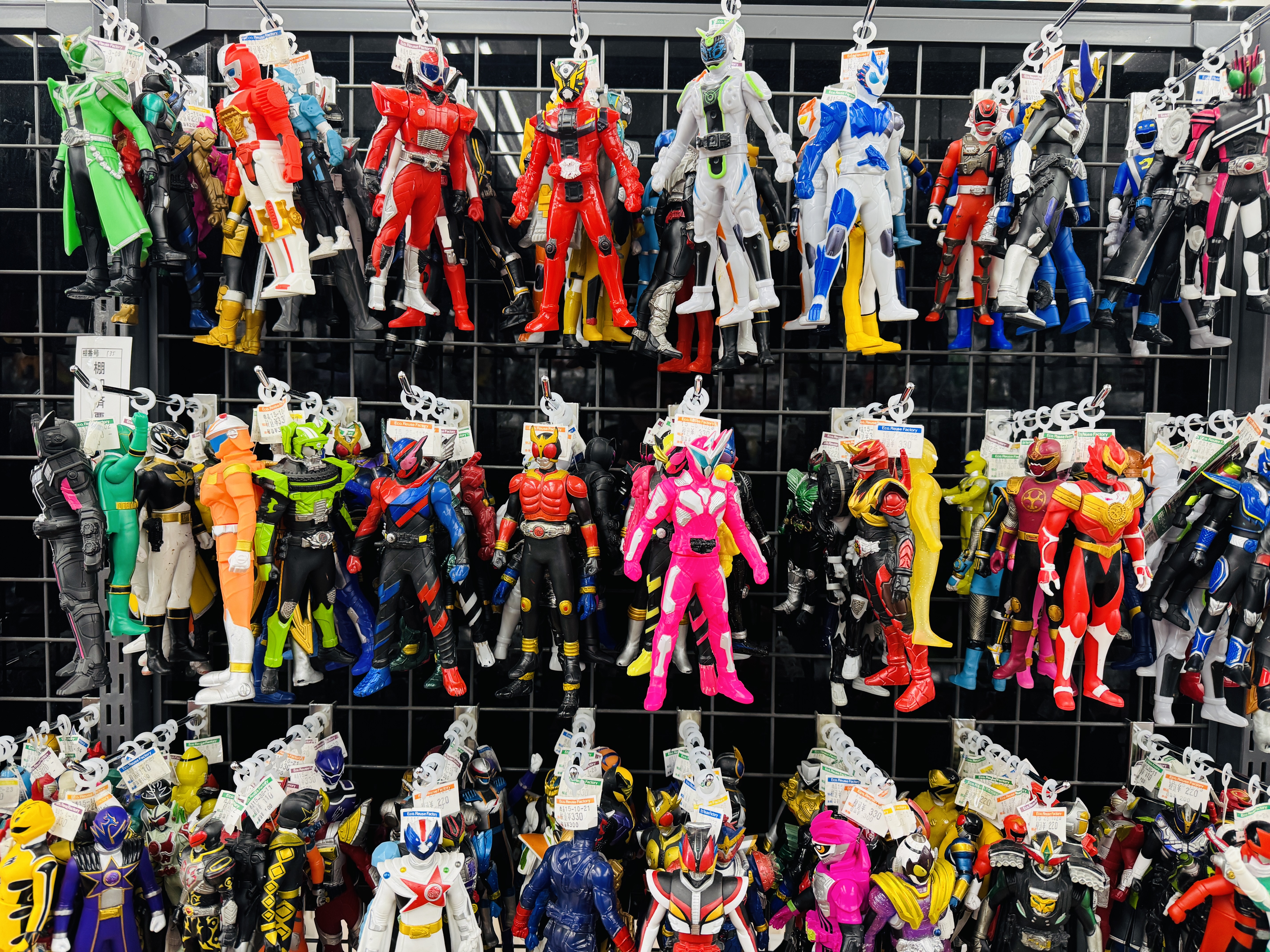
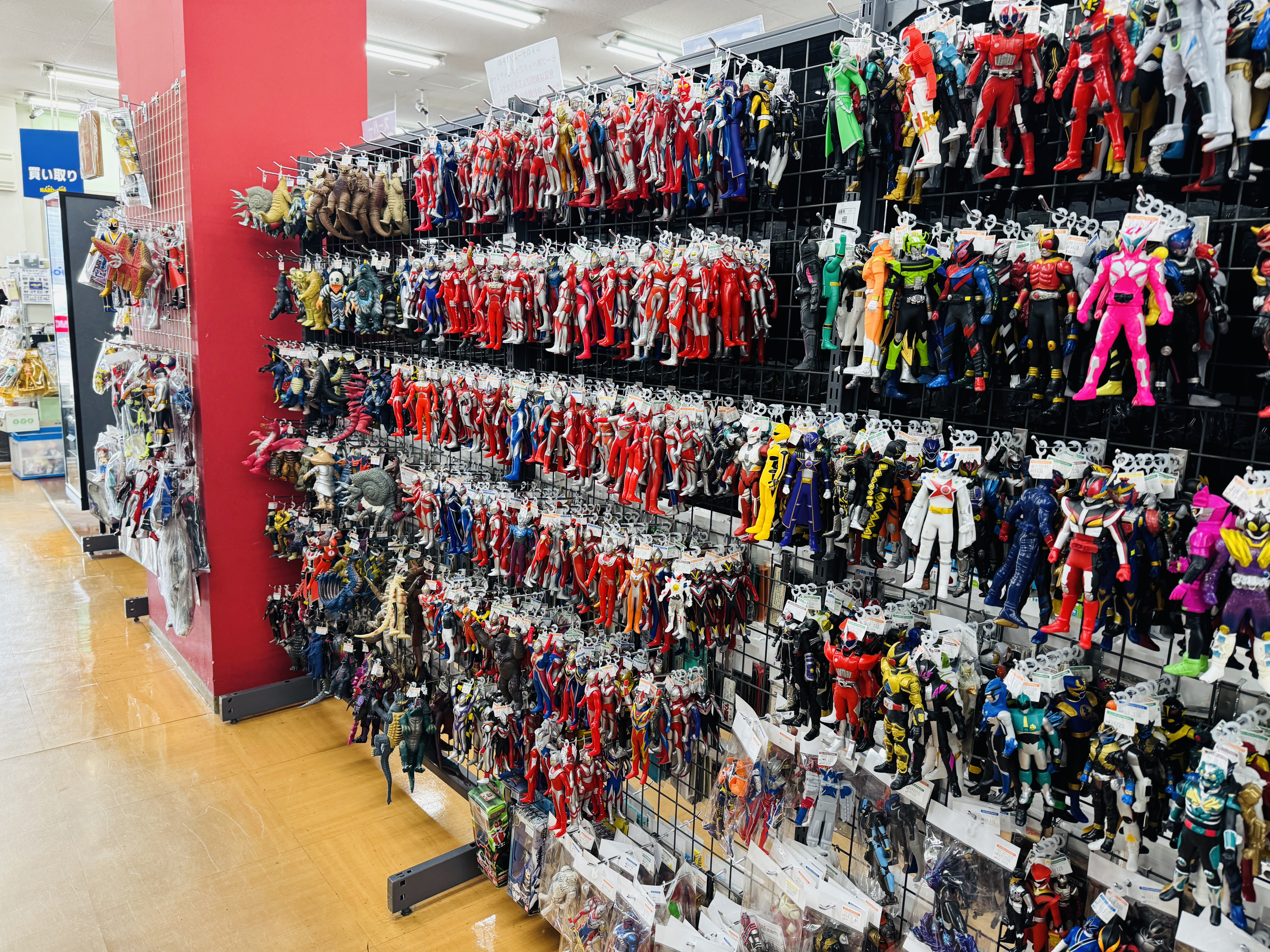
After that, I spent some time looking at toys and figures.
Many of them no longer have their original boxes, which significantly lowers their prices.
For people who care more about the item itself than the packaging, there are some incredible bargains.
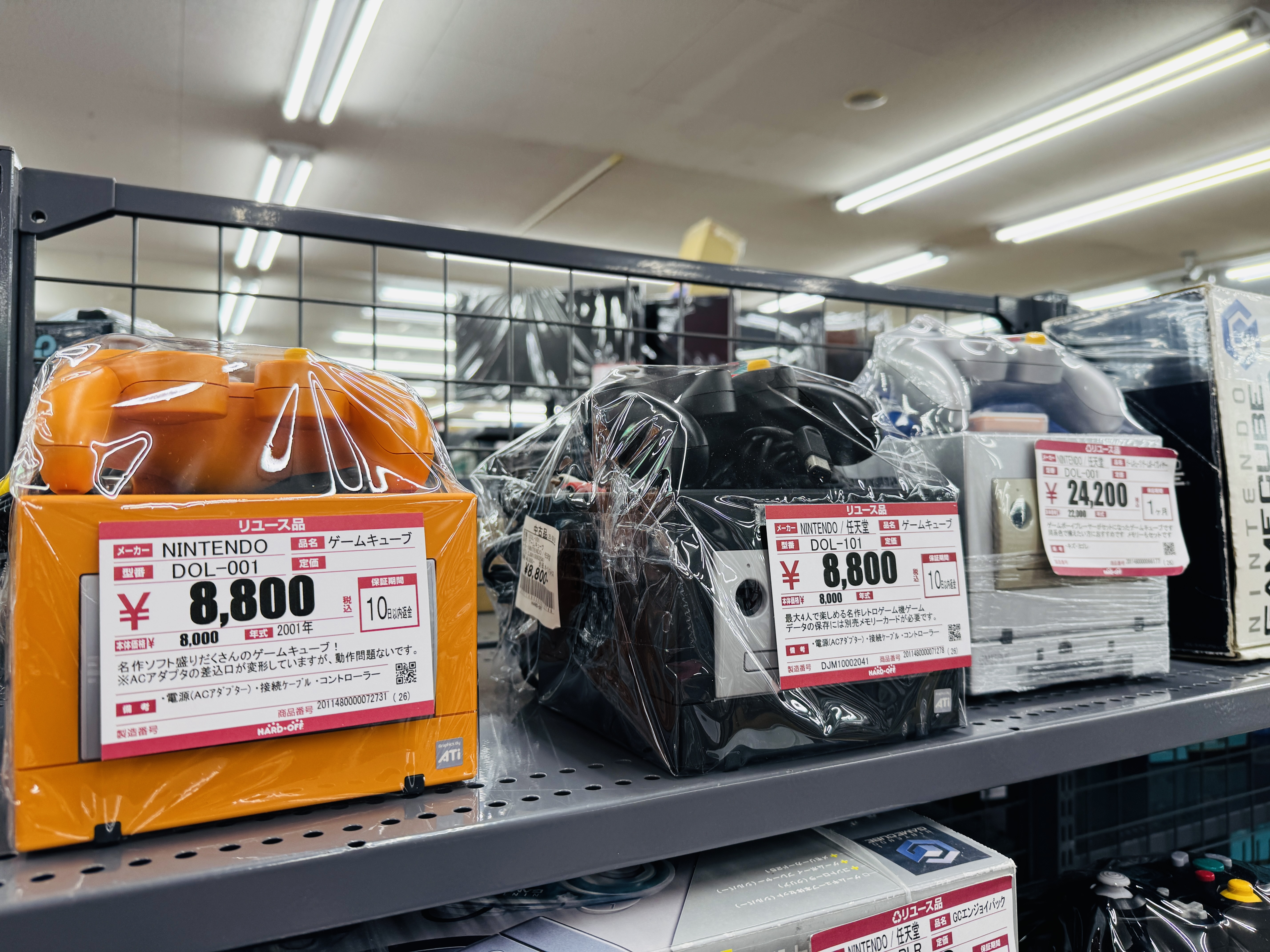
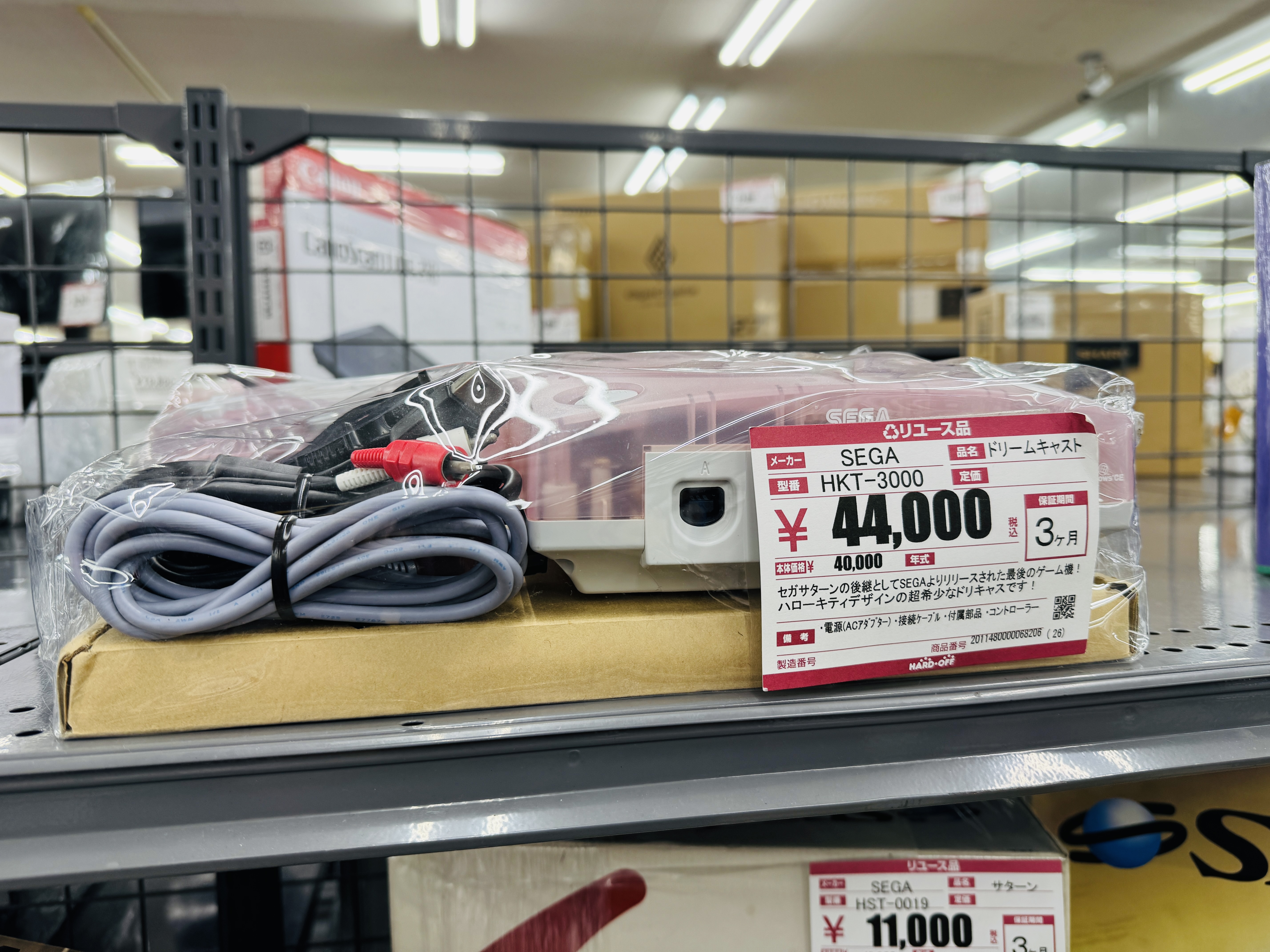
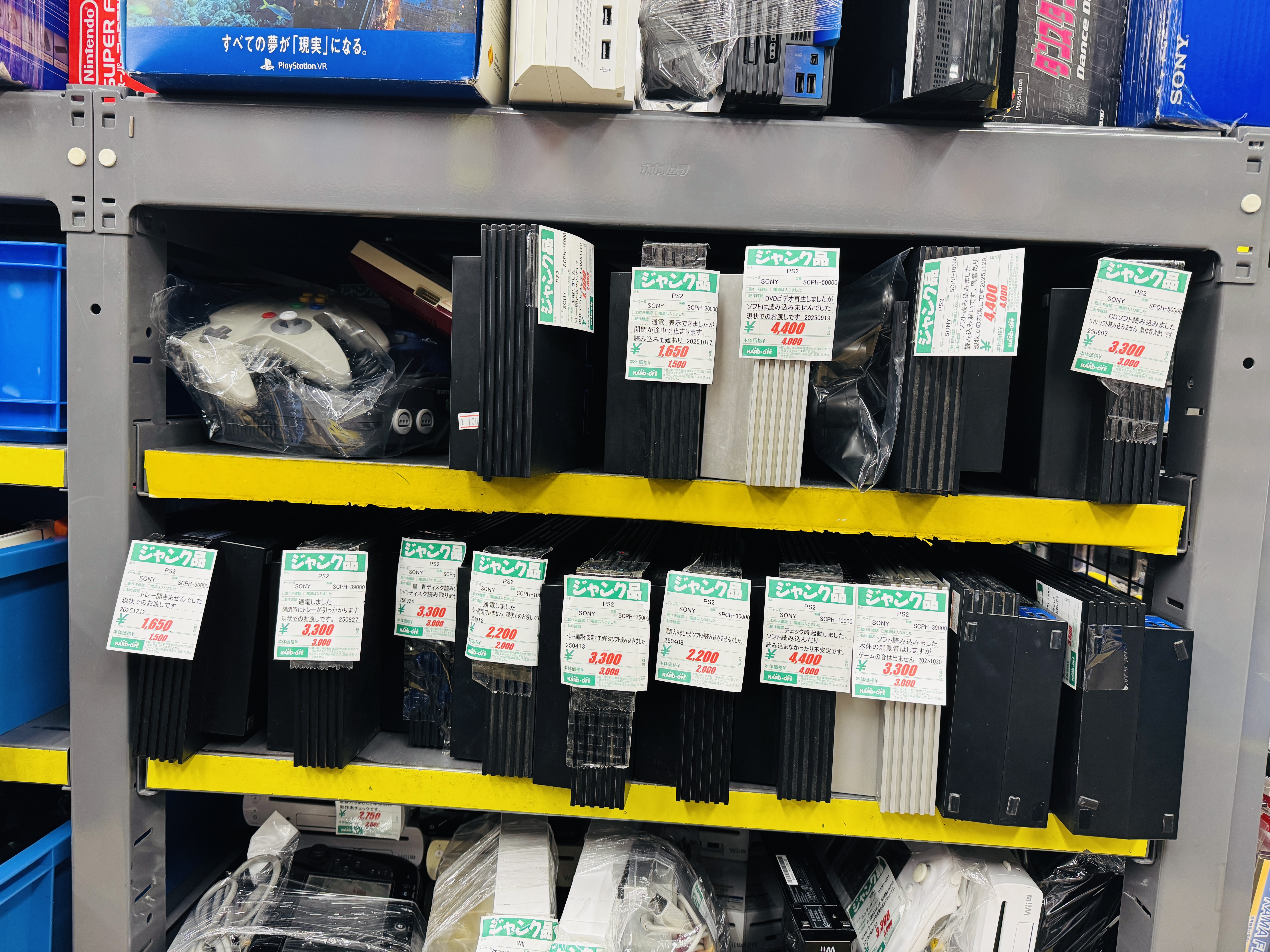
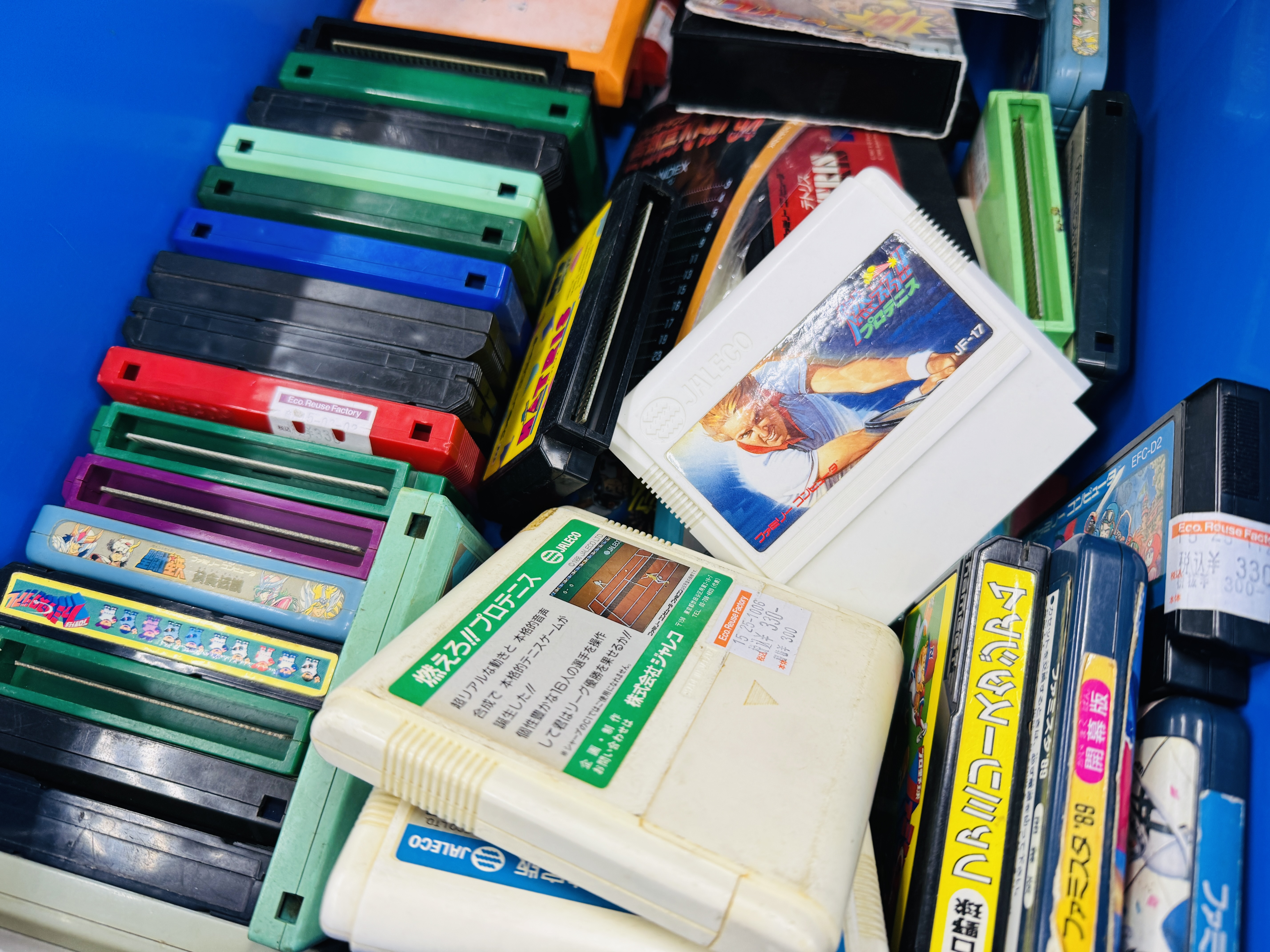
Next, I moved on to the game section.
There were many nostalgic consoles some fully working, others sold as junk.
Before I started selling trading cards, I actually sold retro game consoles such as the Sega Saturn, Famicom, and Super Famicom.
I used to buy broken units in bulk, repair them myself, and sell them on eBay.
Those were genuinely fun days.
Even now, whenever I talk with customers who love retro games, the conversations never seem to end.
Talking about things you truly love never gets old.
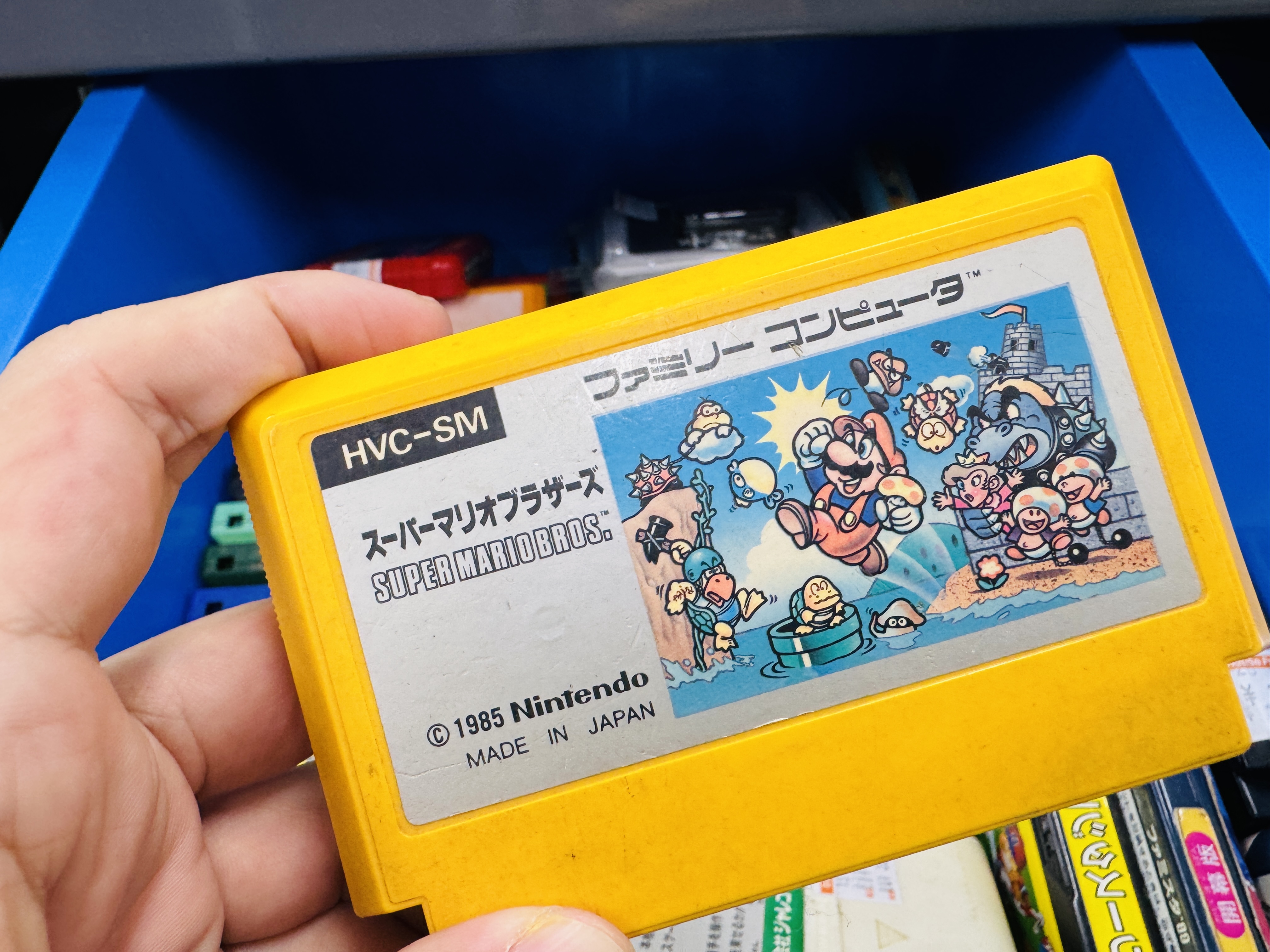
The Famicom game cartridges here are a bit expensive, but they’re filled with nostalgia.
If you clean the circuit boards and polish the shells, they become surprisingly beautiful.
All of the cartridges I own are carefully cleaned which probably says a lot about my personality.
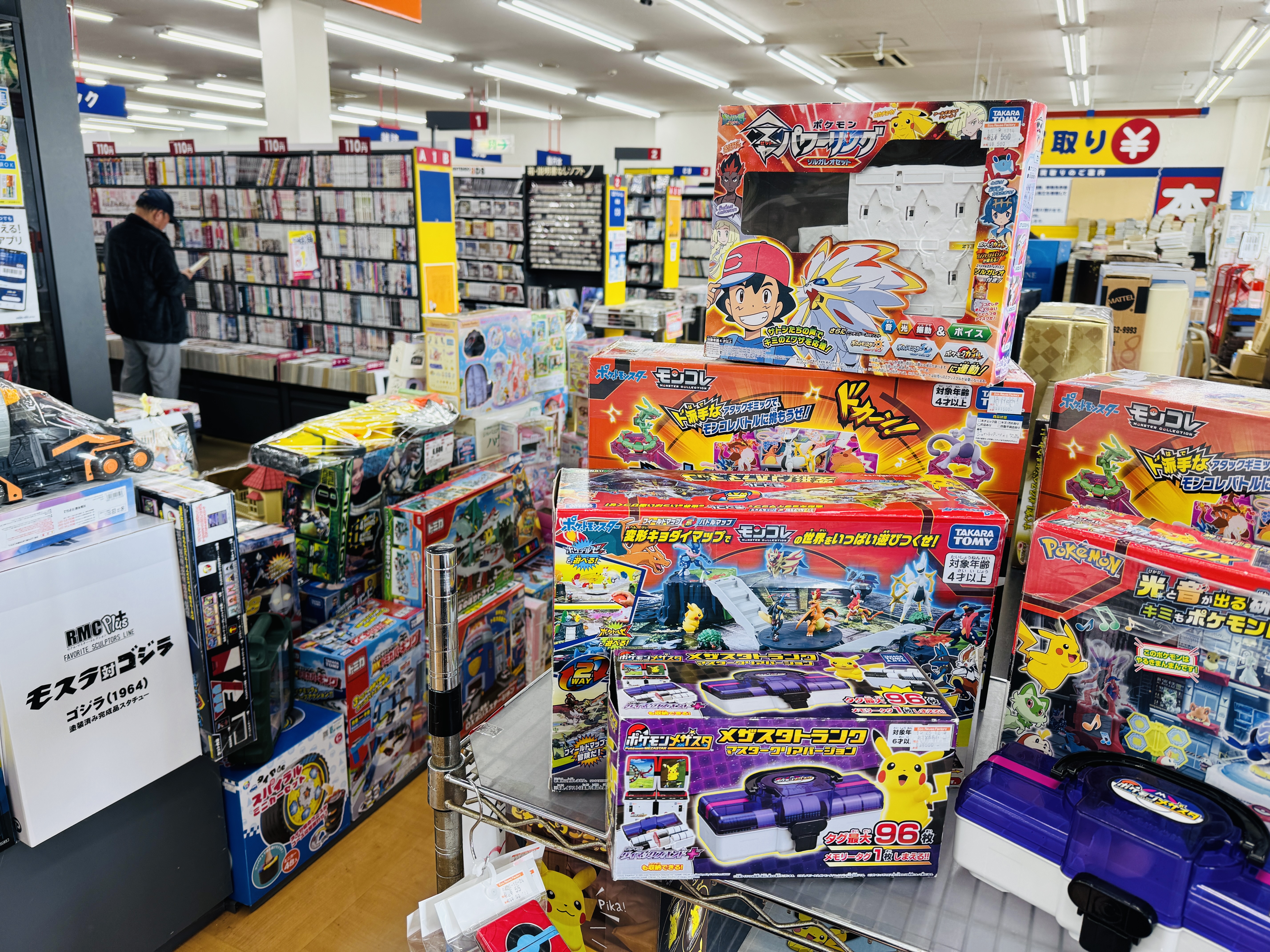
This post may seem simple, but even by looking at products and prices, you can learn a lot.
More importantly, moments like this can become a gateway for people overseas to better understand Japan.
As I mentioned earlier, I think of what I do as running a Japanese souvenir shop.
Of course, I could post only Pokémon card information.
But I want people to know Japan itself especially Fukuoka.
When you understand the background, the cards and boxes you choose feel different.
Instead of buying like a vending machine on Amazon or eBay,
I prefer conversations about condition, pricing, memories, and sometimes things completely unrelated.
That’s why I try to keep this blog free from a strong sales tone.
I hope I can share another ordinary day in Japan with you soon.
Thank you very much for reading.
Shinobu
 HAKATA7