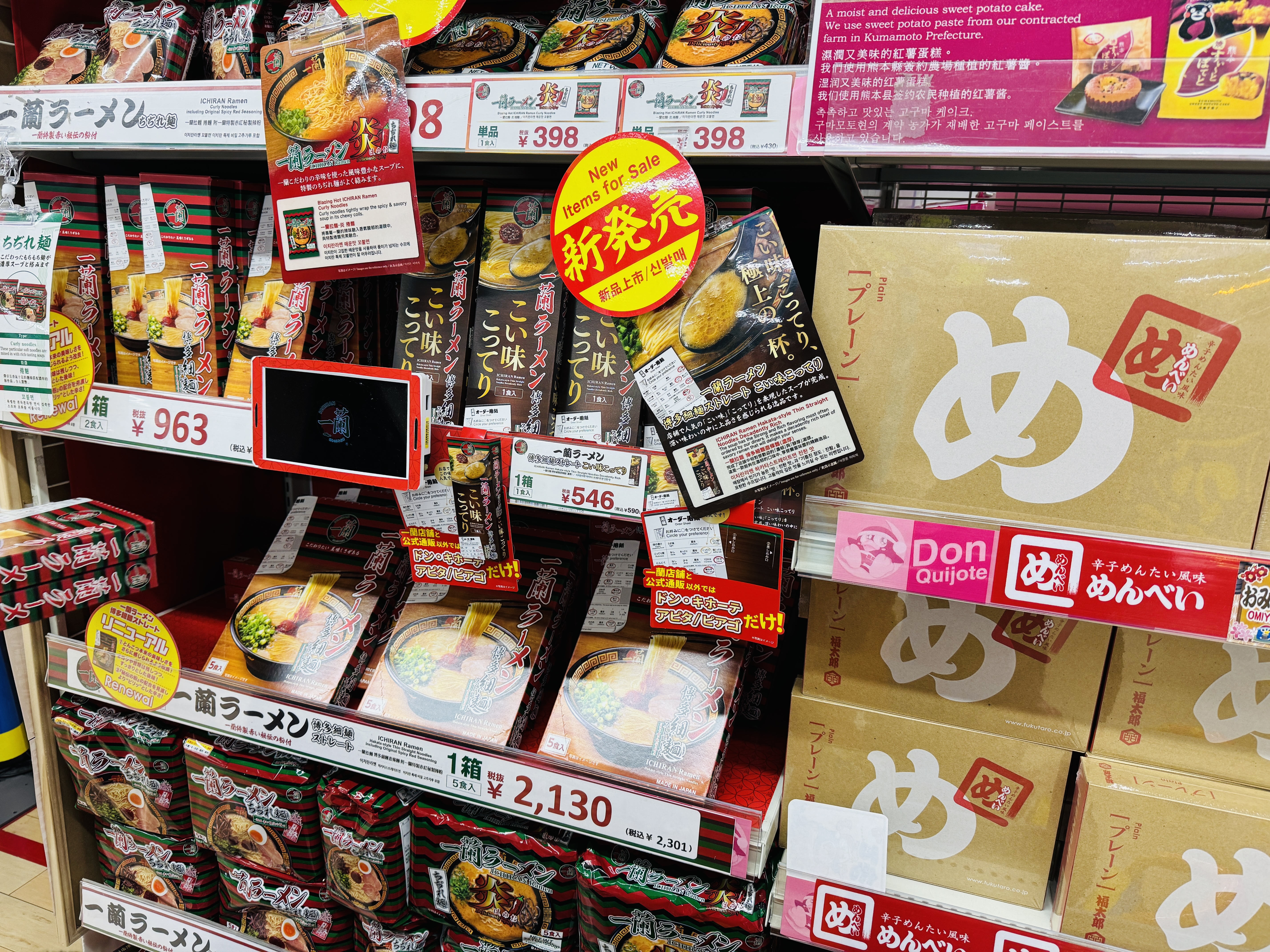
Recently, I’ve been receiving more inquiries not only about Pokémon and One Piece trading cards, but also about Japanese food and everyday household items.
The photos here were taken while I was shopping at Don Quijote to fulfill one of those requests.
People rarely start by saying,
“Please buy this for me.”
Instead, as we continue trading cards and communicating over time, conversations gradually expand. Topics often shift to things like:
“What kinds of products exist in Japan?”
or
“What left a strong impression when I visited Japan?”
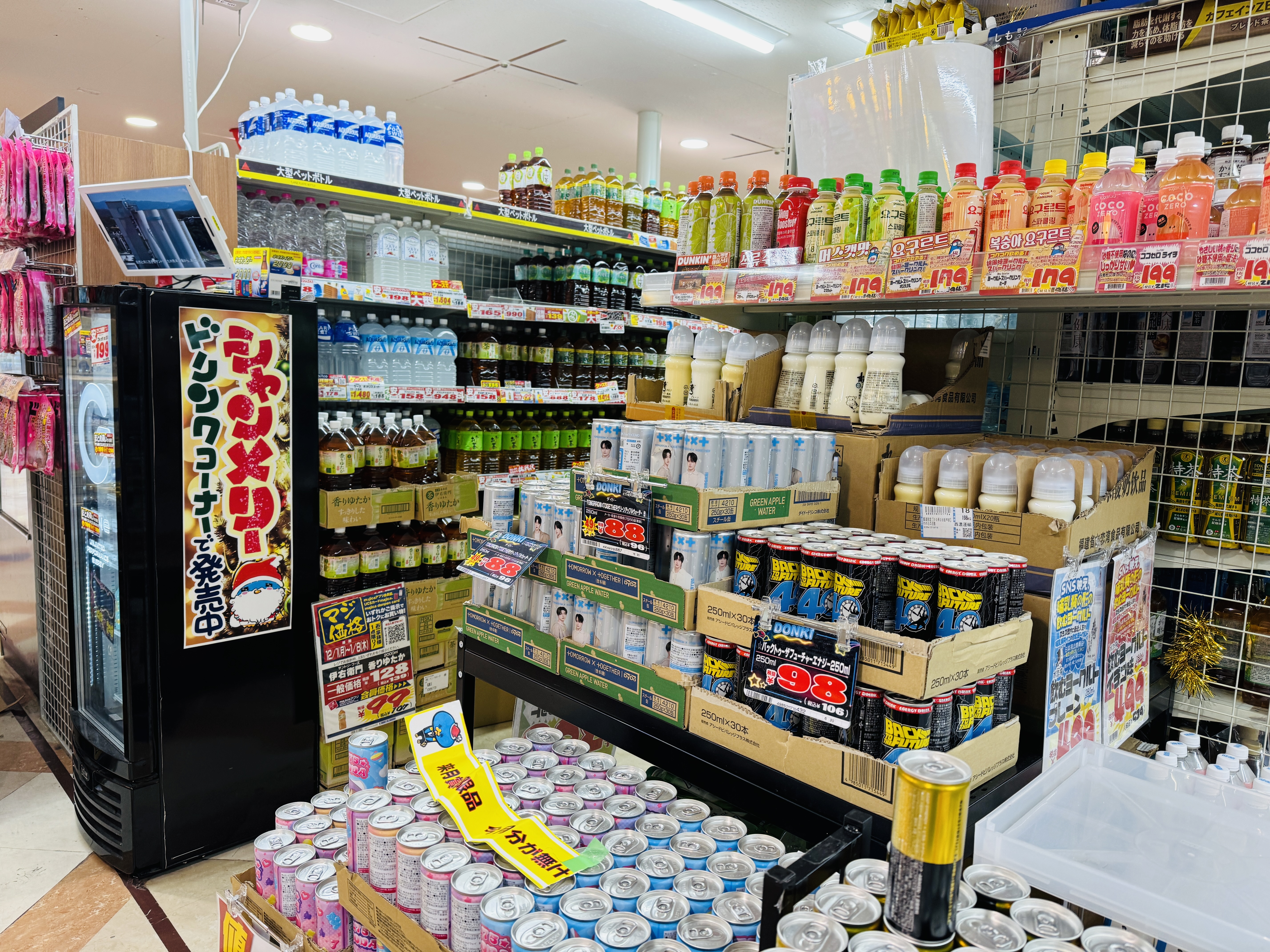
What I find interesting is that many requests are not for typical “souvenirs,” but for everyday Japanese products and food.
Souvenirs can usually be purchased at airports, on Amazon, or on eBay sometimes at a slightly higher price. However, many of the items people ask about are not easily available through those channels.
They are often things that are simply convenient, cleverly designed, or so common in Japan that locals hardly think twice about them. Yet overseas, they may be completely unfamiliar.
At times, we find ourselves learning as well, thinking,
“I didn’t even realize something like this would be interesting.”
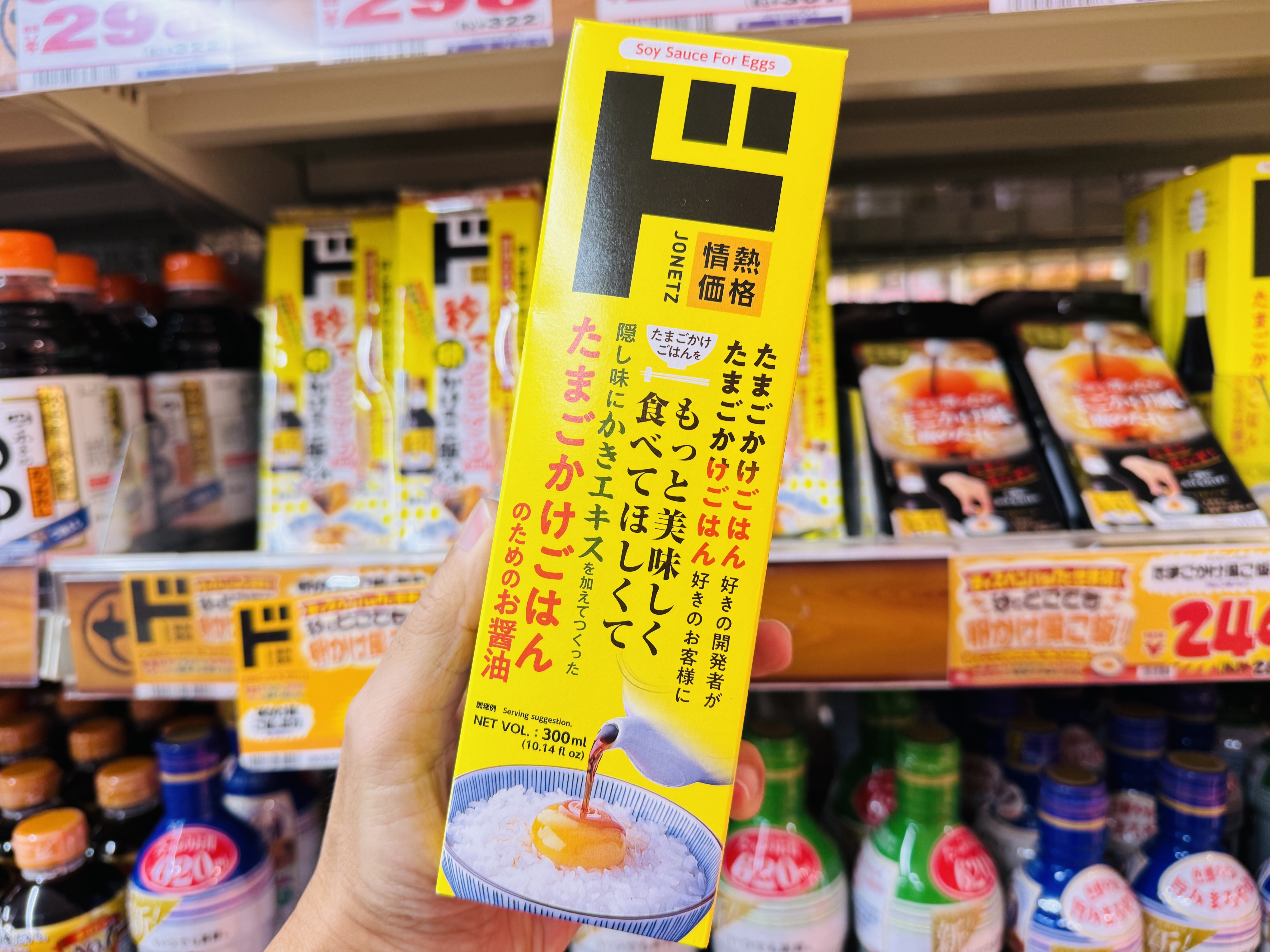
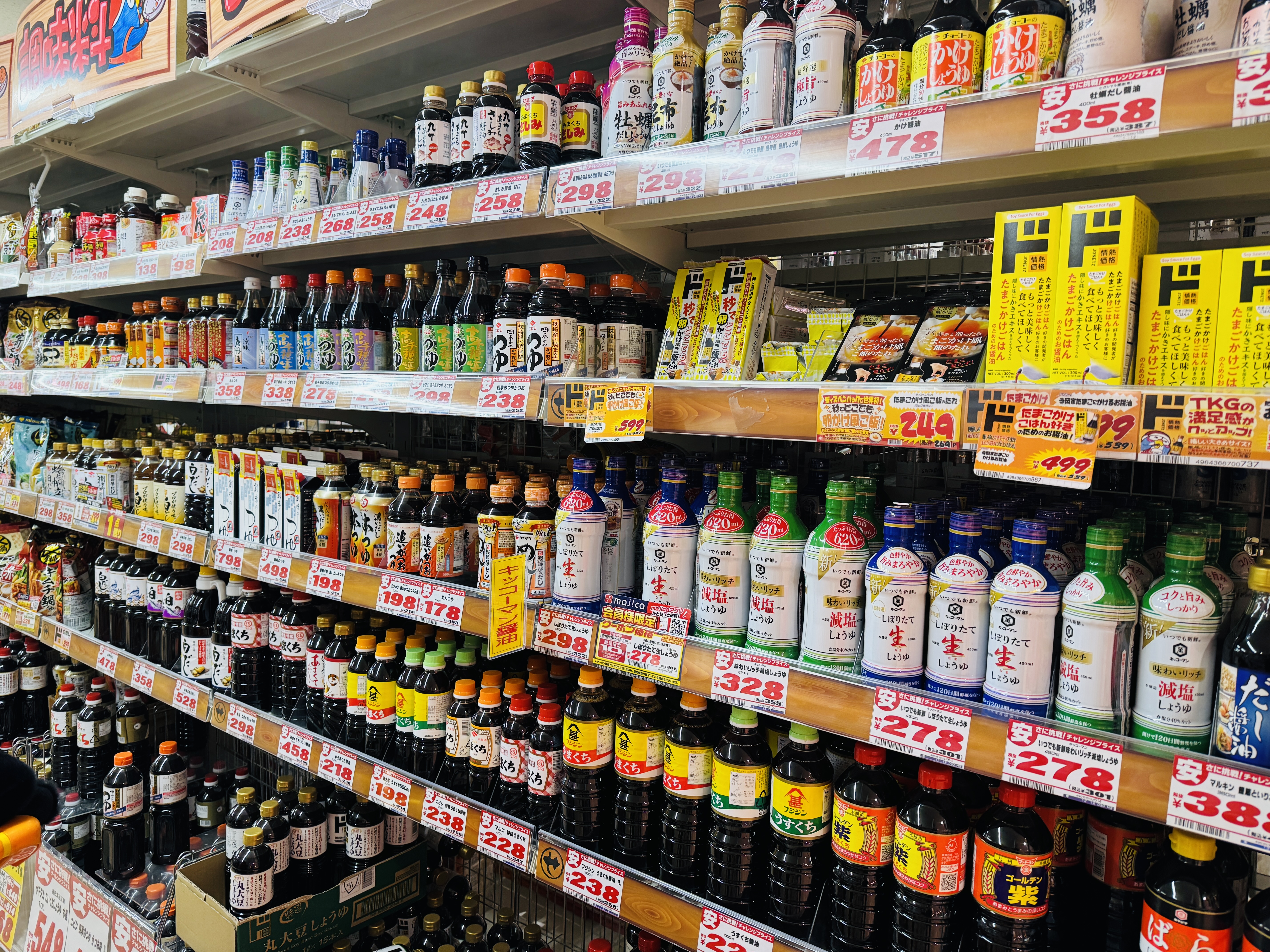
This time, the request was related to a very familiar Japanese food style:
Tamago Kake Gohan warm rice topped with a raw egg and soy sauce.
The product ordered was a compact, packaged version of this concept. From a Japanese perspective, it’s an “idea product,” but it’s made by a well-known company famous for mayonnaise, so it’s safe and reliable.
I tried it myself, and honestly, I felt it was even more delicious than the traditional version. That experience is what motivated me to write about it here.
Naturally, Japanese tastes and perspectives differ from those of people overseas. Everyone’s preferences are different.
But learning about another country’s culture especially through everyday food and habits—is something I find genuinely fascinating.
In our case, transactions never happen without communication.
Even when cards look identical, their condition can vary significantly. We discuss condition and pricing carefully before finalizing any agreement.
Through these exchanges, requests, suggestions, and detailed conversations naturally occur. In between, small gaps open up where casual conversation begins.
Those moments of casual talk are important. They help us understand each other better, beyond just buying and selling.
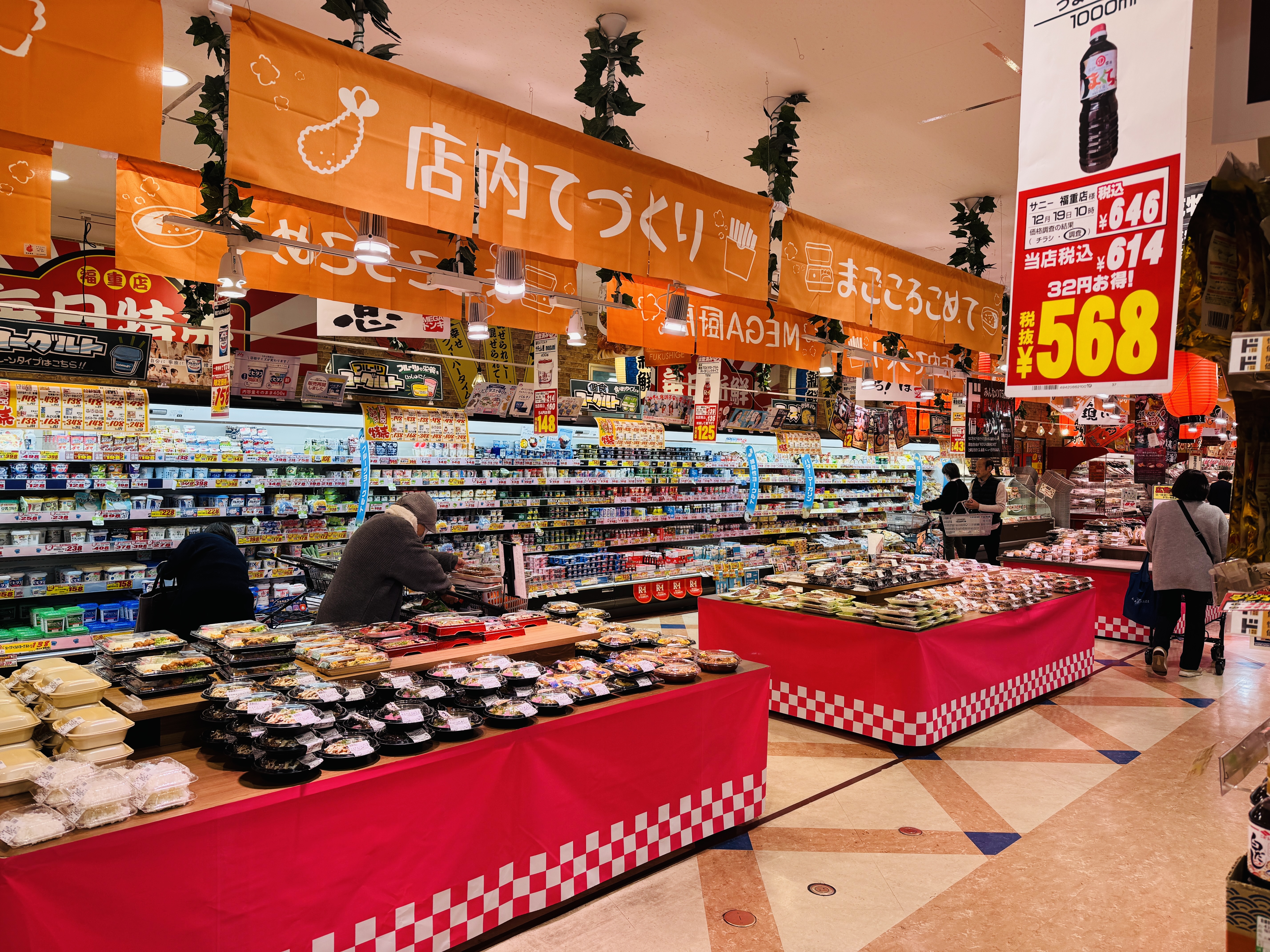
Japan is filled with food items and useful products.
Many people who visit Japan buy souvenirs, but I often wonder—what items left the strongest impression on you?
If you don’t understand Japanese, you may hesitate to buy food or products because you’re unsure what they are. In those cases, feel free to send us a photo and ask,
“What kind of product is this?”
Recently, some overseas customers have even sent clothes for our children or snacks from their own countries.
What started as simple transactions has grown into genuine human connections. Sometimes we meet customers in person when they visit Japan, and even share meals together.
We continue to learn a great deal from our customers. None of this feels extraordinary—it’s simply part of our everyday life now.
Today, I wanted to leave a small record of that everyday life in Japan.
I look forward to meeting you someday.
Shinobu
 HAKATA7