Most people who visit this blog probably know me through trading cards.
Pokémon, ONE PIECE, Yu-Gi-Oh!…
That is what I talk about most these days.
But before trading cards became such a big part of my work, there were games.
And one of the games that has stayed with me for almost my entire life is The Legend of Zelda.
The original Zelda was released in Japan for the Famicom Disk System on February 21, 1986.
Forty years later, I still like it.
Actually, I still collect things from that era.
So when Nintendo announced the 40th Anniversary Edition products, of course I had to look.
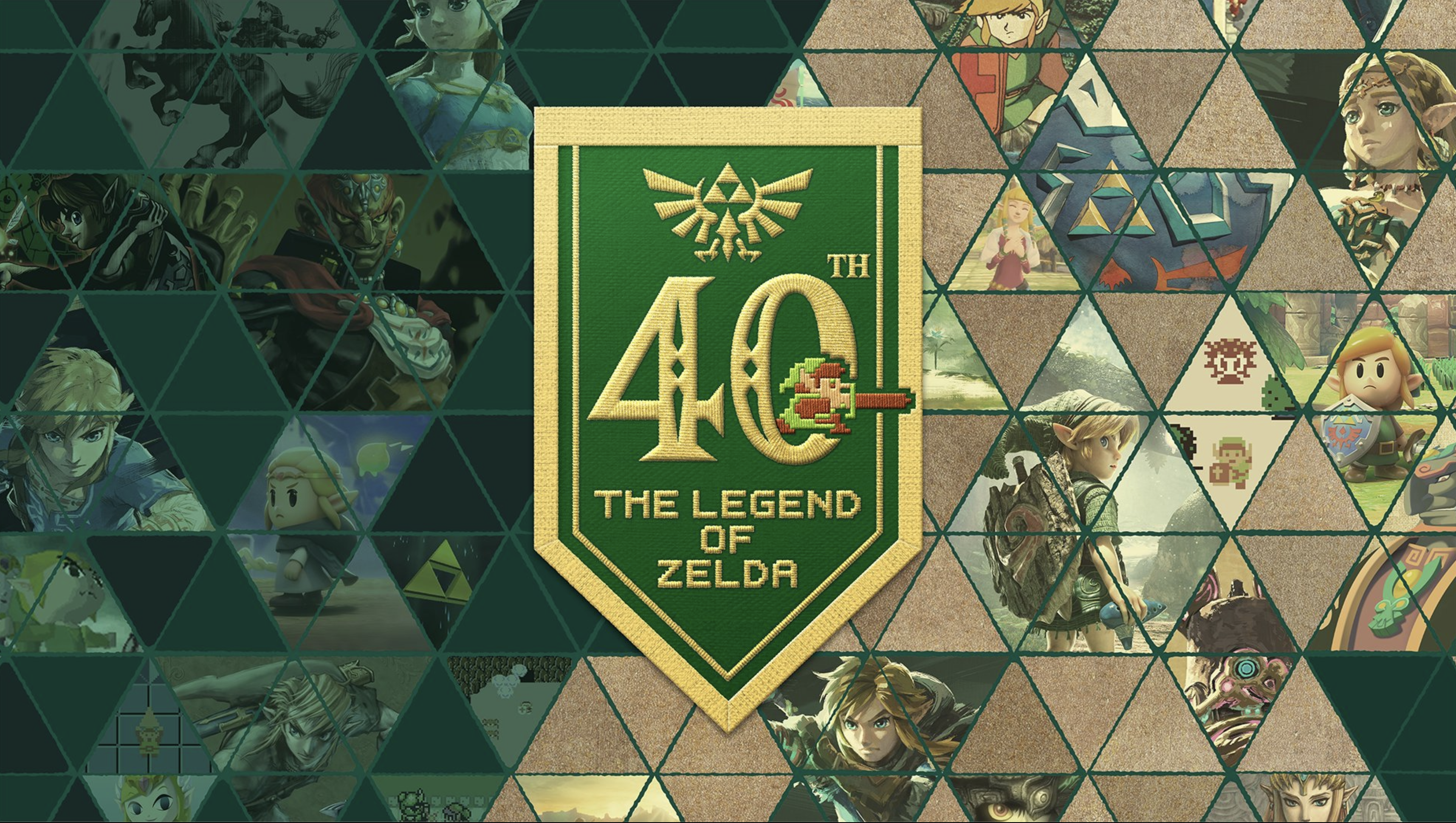
My Zelda story started with the Disk System
For me, Zelda does not begin with Nintendo Switch.
It does not begin with Breath of the Wild.
It begins with the Famicom Disk System.
I also still love the Japanese Super Mario Bros. 2 from the Disk System era – the game many overseas players know as The Lost Levels.
Those games belong to a completely different time in my life.
And somehow, even after all these years, I still feel something when I see old Nintendo hardware, disks, cartridges and accessories from that period.
Maybe that is why anniversary products work on people like me.
They are new products.
But they make you think about very old memories.
I already knew the Japanese console had restrictions
When I first saw the announcement, the console itself was not actually the part that interested me most.
The Japanese Nintendo Switch 2 Zelda 40th Anniversary Edition is a Japanese-language, Japan-only system.
It supports Japanese only, and Nintendo states that it can be linked only with Nintendo Accounts whose country/region is set to Japan. It also does not include the Zelda game itself.
So if someone overseas asks me about buying the Japanese console for everyday use, that is something I would explain first.
For collecting?
That is a different question.
But for normal use outside Japan, people should understand exactly what they are buying.
What caught my attention more were the accessories.
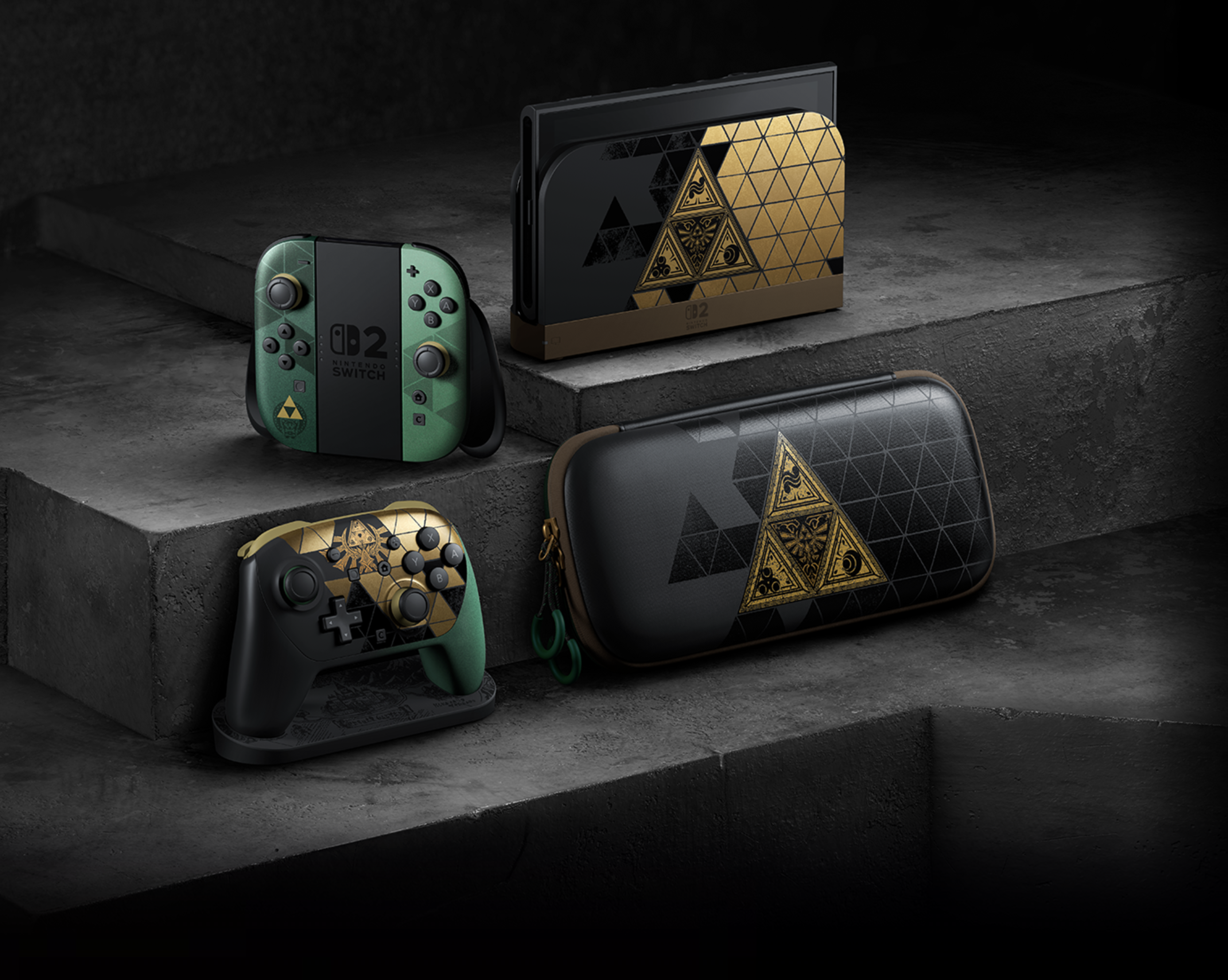
The Pro Controller may be my favorite piece
Nintendo is also releasing a special 40th Anniversary Pro Controller and carrying case on October 29.
The Pro Controller is priced at ¥12,980, while the carrying case is ¥3,980 in Japan.
And honestly, this is where I started looking more carefully.
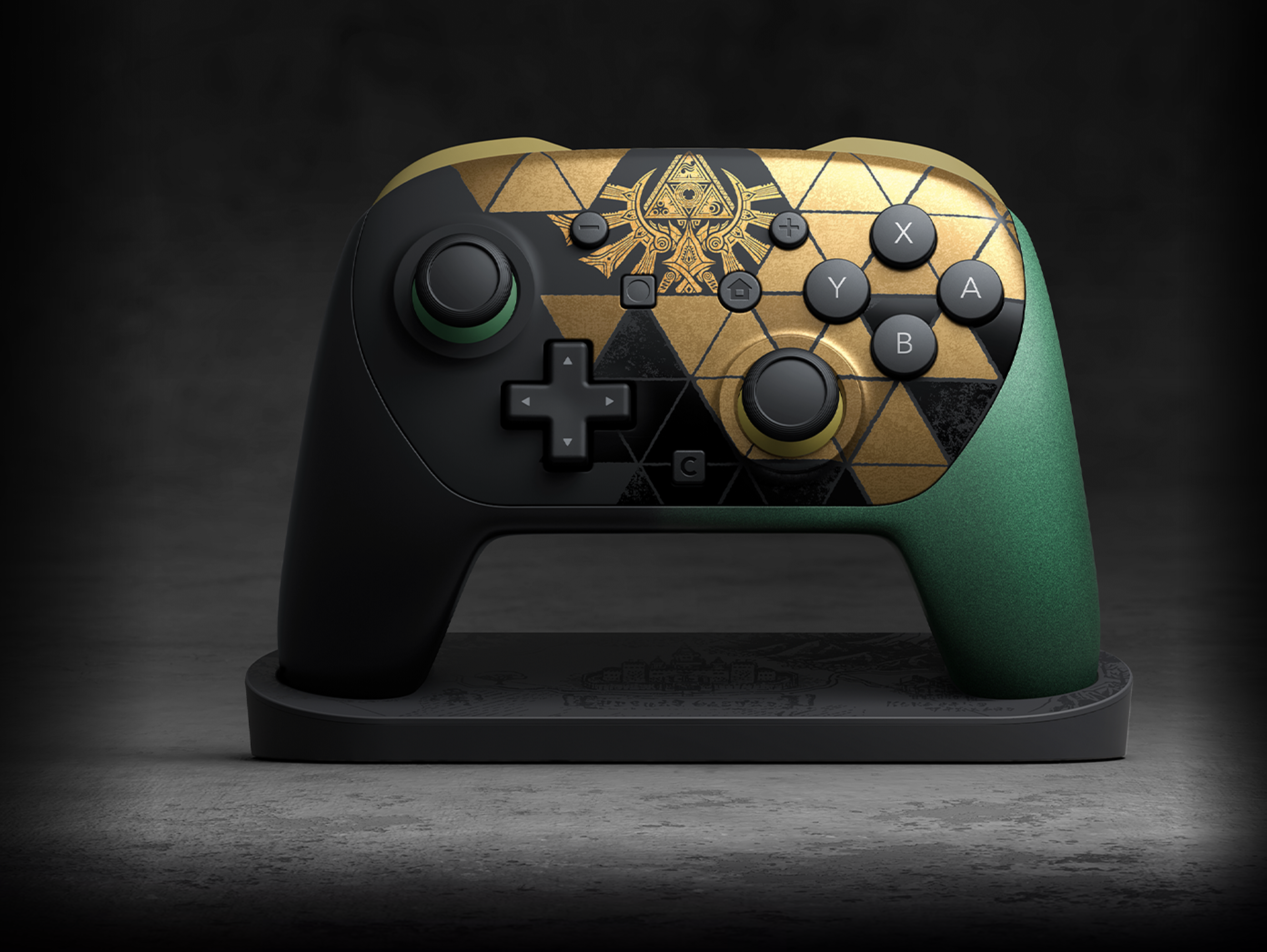
The controller especially.
Black.
Gold.
Green.
The Triforce.
It looks modern, but at the same time it somehow feels connected to the older visual identity of Zelda.
That balance is what I like.
I am not someone who needs every new controller that gets released.
Actually, as I wrote in my previous blog, I barely know anything about the newest game hardware anymore.
Ask me about old Famicom hardware and I can probably talk too long.
Ask me about the newest Nintendo Switch features and I may be less useful.
But put a Zelda design on something?
Apparently that still works on me.
The carrying case surprised me too
The carrying case is much simpler, but I like that too.
It does not need to scream “40th Anniversary.”
The colors and symbols already tell the story.
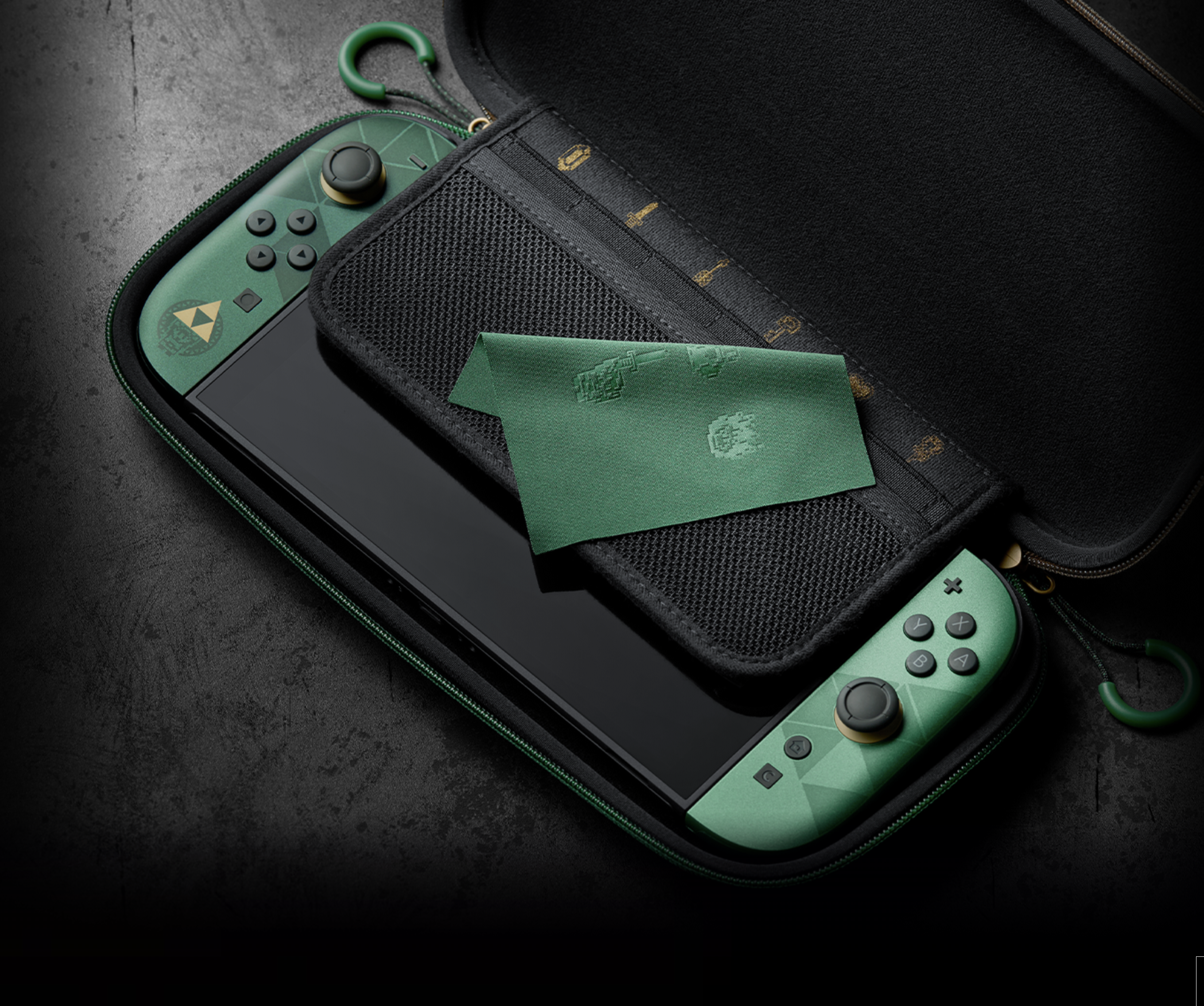
This is probably what I mean when I say that I am more interested in the accessories than the console itself.
The console is obviously the main product.
But from a collector’s point of view, sometimes the smaller items are more interesting.
They are easier to keep.
Easier to display.
And sometimes, years later, they are the things people regret not buying.
I have made that mistake many times.
I learned how much Zelda means overseas through eBay
Years ago, when I was selling Japanese games on eBay, I sold quite a few Zelda items overseas.
Disk versions.
Cartridges.
Older Japanese games.
What I remember most is not really the prices.
It is the messages.
Some buyers wrote to me about playing Zelda when they were children.
Some talked about rebuilding collections they had lost years earlier.
Others were simply excited to receive a Japanese version they had never owned before.
That stayed with me.
From Japan, an old game can sometimes look like just another used item.
But to someone overseas, that same game can be connected to childhood, family, friends, or a period of life they still remember clearly.
That is one of the reasons I still enjoy selling Japanese collectibles internationally.
Forty years later, the design still works
What I like about these new 40th Anniversary products is that Nintendo did not simply put a large “40” on everything and stop there.
The design feels much more considered than that.
The black, green and gold color combination immediately feels special.
The Triforce is present without making everything too busy.
And the accessories, especially the controller, look like items that could still be interesting even after the anniversary year is over.
That matters to me.
I do not really want anniversary products that only make sense during the anniversary.
I prefer something I would still want to look at ten years later.
Cards are my main business now, but not my only interest
Today, HAKATA7 is mostly known for trading cards.
That is fine.
Cards are an important part of what I do.
But Nintendo, retro games, old Japanese hardware and Zelda are still part of me too.
So occasionally, I want to write about them here.
And perhaps in the future, some of these Japanese Zelda items — especially accessories, older games and interesting collectibles — may become something we handle as well.
Not because I suddenly decided Zelda is a new business category.
Simply because I have liked it for 40 years already.
That seems like a good enough reason.
What about you?
If you grew up with Zelda, I would genuinely like to hear your story.
What was the first Zelda game you owned?
And more importantly:
Do you still have it?
If you have a favorite Zelda memory, or there is a Japanese Zelda item you have always been curious about, feel free to message me.
I am always happy to talk about this kind of thing.
Probably longer than I should.
Shinobu
HAKATA7
Fukuoka, Japan
 HAKATA7