Skip to content
    • About

HAKATA7

  • A Normal Day in Fukuoka During Pokémon Fever

    August 12th, 2026

    Hello everyone!

    Before I begin today’s post, I have a little update to share.

    I recently upgraded this blog to a paid WordPress plan. Until now, I was using the free version, which meant I constantly had to worry about storage space for photos. Sometimes I even had to delete older posts just to upload new images.

    From now on, I can finally share more photos and give you a better look at everyday life here in Japan.

    So, let’s begin!

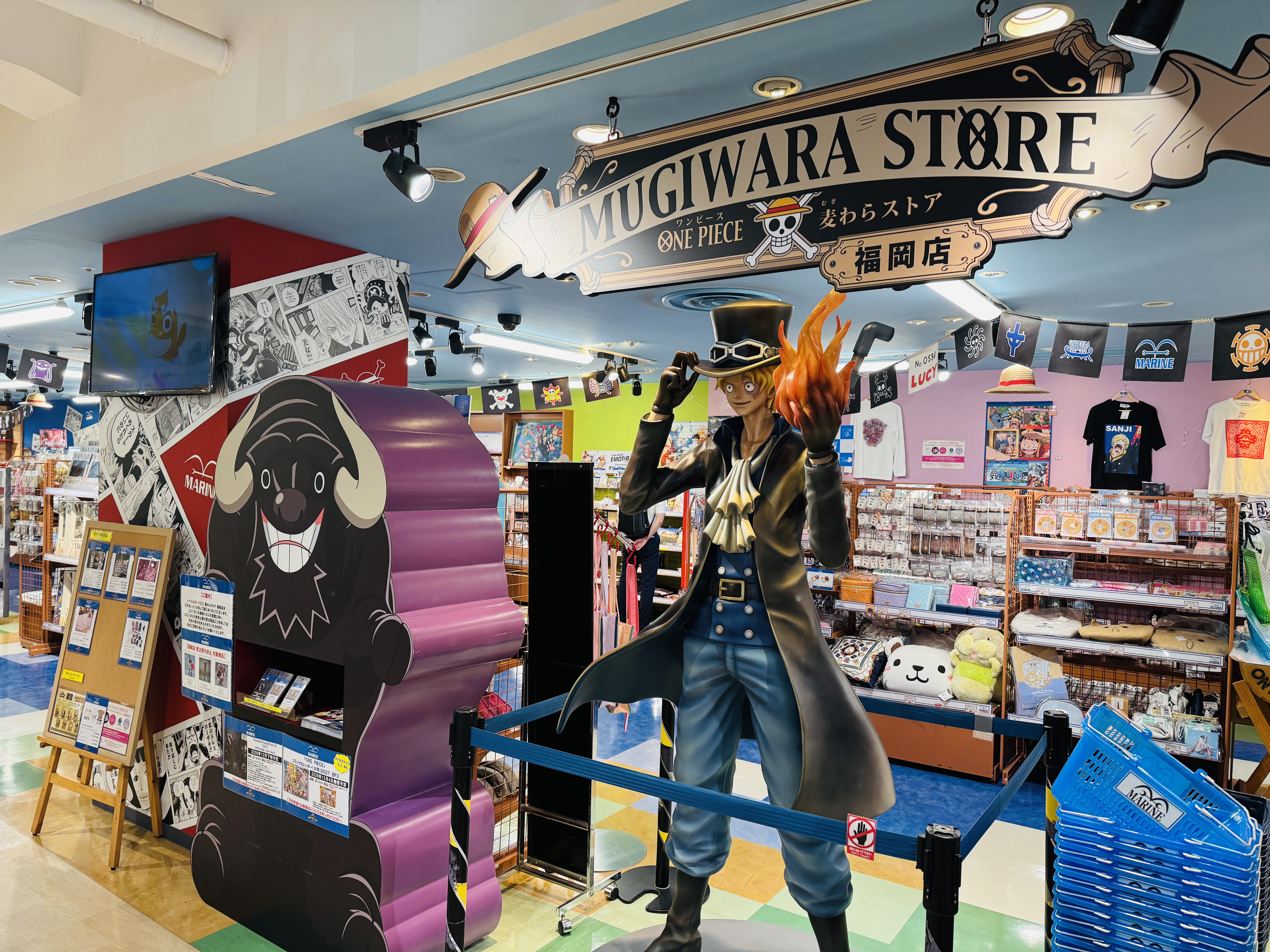
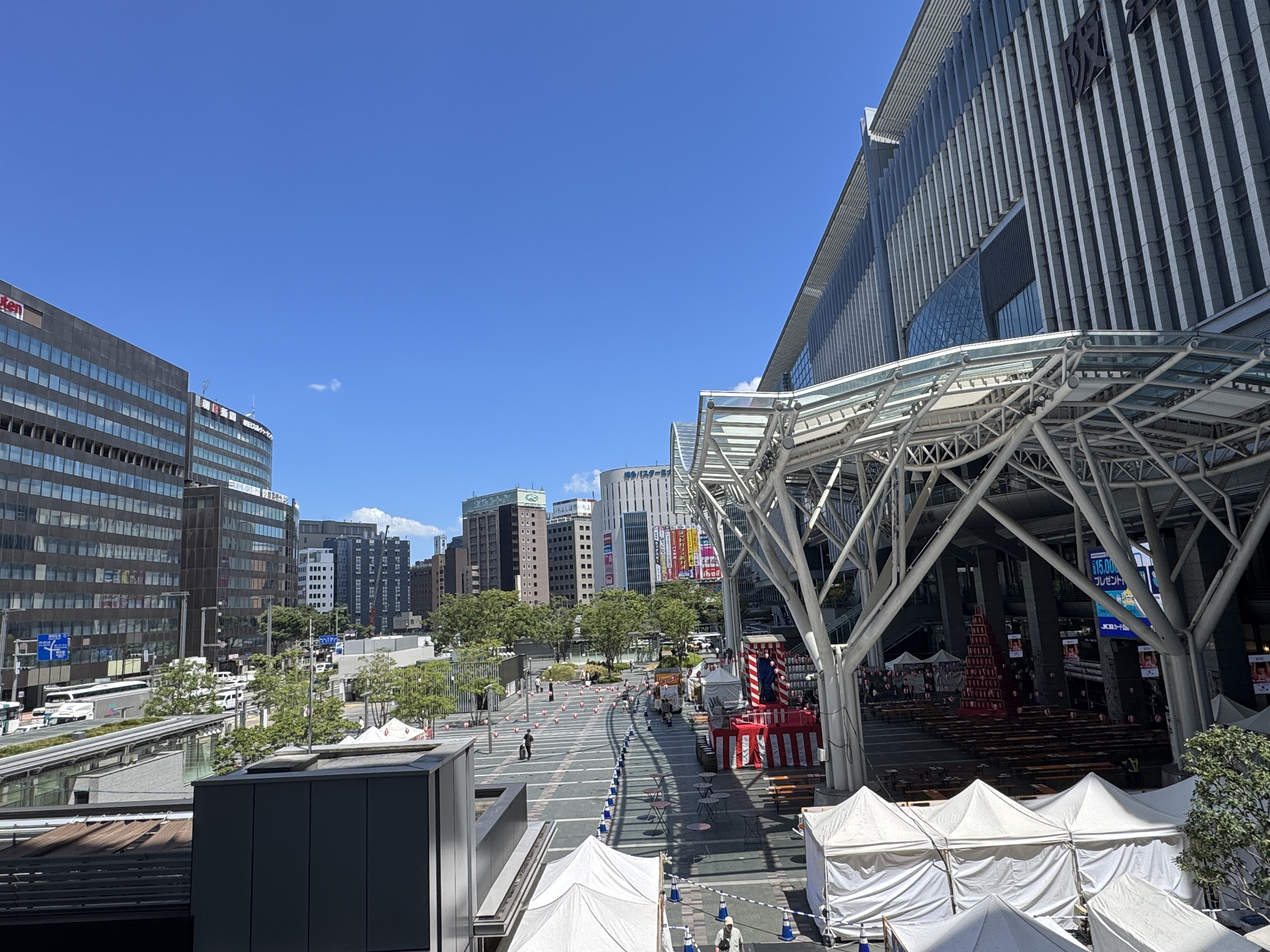
    Today’s walk started at JR Hakata Station, the transportation hub of Kyushu.

    If you’ve ever visited Fukuoka, you’ve probably stood in this very place.

    Recently, I’ve been receiving more and more messages asking,

    “I’m visiting Fukuoka. Where should I go?“

    To be honest, I think Fukuoka is one of Japan’s most underrated cities.

    Of course, everyone talks about Hakata ramen and it’s absolutely worth trying—but what I love most is how easy it is to experience completely different sides of Japan.

    Within just one or two hours, you can leave the city behind and find yourself surrounded by mountains, rivers, hot springs, or beautiful coastlines.

    That’s one of the reasons I never get bored living here.

    If you’re planning a trip to Japan, feel free to ask me for recommendations.

    Sometimes I think I know more about sightseeing than trading cards! 😄

    Next, I stopped by the Pokémon Center Fukuoka.

    As many of you already know, Storm Emerald has just been released in Japan, and the excitement is incredible.

    Before entering the store, everyone first receives a numbered ticket and returns later at the assigned time.

    Even after entering, people line up once again—this time just to buy Pokémon cards.

    When I shared this on my Instagram Stories, many people replied,

    “No way…“

    “Is this real?“

    Yes it really is.

    Around 80% of the visitors were looking for Storm Emerald packs.

    Interestingly, most of the people I saw weren’t local residents. Many were tourists from overseas who had come specifically hoping to find Pokémon products.

    Purchasing is limited to just three packs per person, so many collectors spend hours waiting for only a few packs.

    This is simply the reality of Pokémon releases in Japan today.

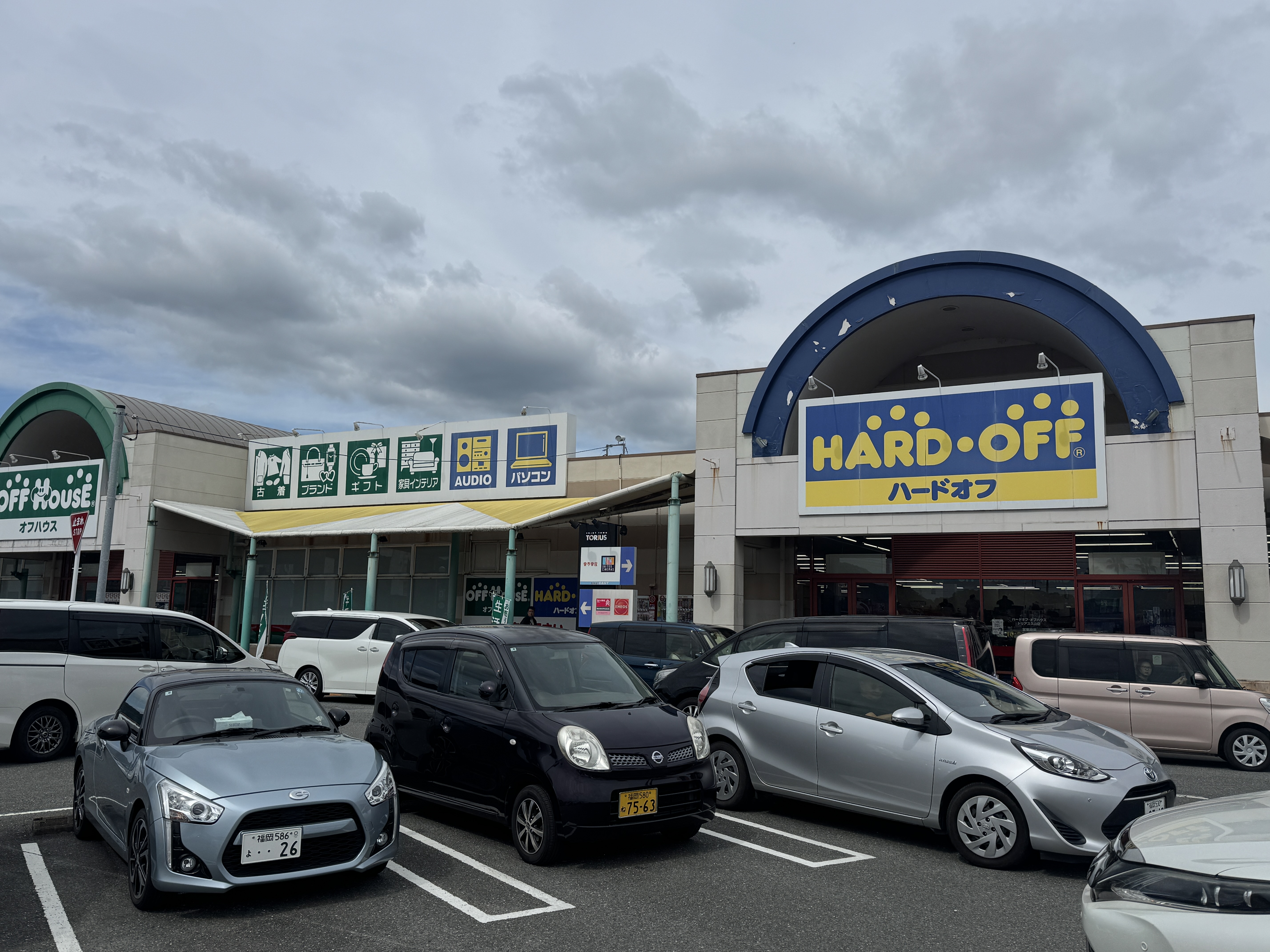
    After leaving the Pokémon Center, I visited a local bookstore.

    One thing many overseas collectors don’t realize is that some of Japan’s best collectibles aren’t found in card shops…

    They’re found in bookstores.

    Recently, magazines and novels have become increasingly popular because they include exclusive promotional cards.

    When I visited today, there were still plenty of copies of Saikyo Jump featuring Dragon Ball promo cards, as well as ONE PIECE Novel Zoro, which also includes an exclusive bonus card.

    In larger cities like Tokyo, these often disappear very quickly.

    Fortunately, here in Fukuoka, they’re still easier to find.


    People sometimes ask me,

    “Do you spend all day buying cards?“

    Not really.

    Buying cards has simply become part of my everyday life.

    If I go shopping for groceries and there’s a bookstore nearby, I’ll stop in for a quick look.

    If I’m in the city, I’ll visit the Pokémon Center.

    Years ago, I used to line up on release day just like everyone else.

    Today, I’ve learned that enjoying the process—and finding smarter ways to collect is much more rewarding than rushing to buy everything on the first day.

    August is one of the busiest months for trading card releases in Japan, so while many people are enjoying their summer holidays, I don’t really get much time off!

    Still, I enjoy every moment of it.

    If you’re planning a trip to Japan, or if you’re curious about Japanese collectibles, feel free to send me a message anytime.

    I’d be happy to help.

    Thank you for reading, and I’ll see you in the next post!

  • A Summer Day in Japan: Local Drinks, Izakaya, and a Dragon Ball Surprise

    July 24th, 2026

    Japan has been experiencing another extremely hot summer.

    Today the temperature reached 36°C (96.8°F), and honestly, simply walking outside feels exhausting.

    Many people believe climate change is making Japanese summers hotter every year, and I agree. If you’re planning to visit Japan during July or August, especially places like Kyoto where you’ll spend hours walking outdoors, please be careful.

    Always carry water, wear a hat and sunglasses, and don’t forget sunscreen.

    You can easily buy sunscreen at any convenience store or drugstore in Japan for around ¥800 (€4-5), and I highly recommend getting some before you begin sightseeing.


    Originally I planned to write another article about trading cards.

    However, after my previous blog, many readers told me something unexpected:

    “Please tell us more about everyday life in Japan.”

    That made me happy.

    Instagram is where I usually post the latest news about Pokémon, Dragon Ball, and ONE PIECE cards.

    But here on the blog, I’d also like to introduce the Japan that local people experience every day.

    So today, let’s talk about something different.

    Japanese drinking culture.


    Kyushu: One of Japan’s Great Drinking Regions

    I live in Kyushu, the southern part of Japan.

    Within Japan, Kyushu has a reputation for people who enjoy drinking.

    As for me…

    I almost never drink alcohol at home or when I’m out.

    Only during special occasions or when entertaining guests.

    When I do drink, though, I’ll happily enjoy beer, whisky, or almost anything.

    Have You Ever Tried Shochu?

    Kyushu is famous for producing Shochu, one of Japan’s traditional distilled spirits.

    Depending on the region, it’s made from ingredients such as sweet potatoes, barley, rice, or brown sugar.

    The alcohol content is usually around 25-30%.

    Unlike whisky, Shochu isn’t known for an elegant aroma.

    Instead, each ingredient gives it a completely different character.

    Some visitors love it immediately.

    Others need a little time to appreciate it.

    If you visit Japan, I definitely recommend trying it at least once.

    You can usually choose to drink it:

    • On the rocks
    • Mixed with cold water
    • Mixed with hot water

    At most restaurants, a glass costs around ¥500-700 (€3-4).

    A Japanese Supermarket Tells You a Lot

    The other day I went shopping at my local supermarket.

    One thing visitors often notice is just how much space is dedicated to alcohol.

    Especially here in Kyushu.

    After work, many Japanese people enjoy relaxing at home with a drink, so the shelves are filled with an incredible variety of canned beer and canned “sours.”

    If you’ve never heard of a Japanese sour, it’s usually made with shochu or vodka, fruit juice, and sparkling water.

    Lemon Sour is by far the most popular.

    With around 5-7% alcohol, it’s refreshing and easy to drink.

    Prices are also surprisingly affordable.

    You can find them in supermarkets from about ¥78 to ¥248 (€0.40-1.30).

    Even if you aren’t a big drinker, trying one during your visit is a fun way to experience everyday Japan.

    If You Don’t Know What to Eat, Go to an Izakaya

    Many visitors ask me:

    “Where should I eat if I want to experience real Japan?”

    My answer is almost always the same.

    Go to an Izakaya.

    An Izakaya is Japan’s casual pub-style restaurant.

    Most open in the evening, although those inside train stations often serve customers throughout the day.

    The best part is the variety.

    Instead of specializing in just one type of food, you can usually order grilled fish, sashimi, fried chicken, vegetables, local specialties, noodles, and many other dishes—all at the same table.

    They’re often lively and full of people enjoying food and drinks after work.

    It may seem noisy if you’re visiting from overseas, but that’s part of the atmosphere.

    And despite the crowds, Japan is generally very safe, making Izakaya one of the easiest places to experience everyday Japanese life.

    Even While Shopping… I Found Dragon Ball

    Of course…

    I can’t completely escape trading cards.

    Inside the supermarket was a small arcade, and there I found a Dragon Ball Super Divers machine.

    At the moment, V Jump September 2026 (released July 21) includes the Son Gohan SDVPJ-036 Promo card.

    I’ve seen unopened copies selling on eBay for around ¥4,000 (€22).

    If you’re looking for a sealed copy, I can usually offer it for less than typical eBay prices, so feel free to contact me anytime.


    Why I Share These Stories

    Trading cards have become part of my daily life.

    But for me, collecting and selling cards has never been only about business.

    It has introduced me to people from all over the world and allowed me to learn about different cultures, while also sharing my own.

    That’s why I’d like this blog to become more than just a place to discuss cards.

    I want it to be a small window into everyday life in Japan—from supermarkets and local food to seasonal traditions and, of course, the collectible treasures that appear along the way.

    If you’re curious about Japan, or if you’re searching for Japanese trading cards that are difficult to find in your country, I’d be happy to help.

    Feel free to get in touch anytime.

    See you in the next blog.

    Shinobu 🇯🇵

    Instagram: @pokeshopjp
    WhatsApp: Click here
    Substack: Market updates & insights

  • Part 2: Finding Collectibles in Everyday Japan

    July 22nd, 2026

    July 20, 2026, was the release date of Itajaga Dragon Ball Vol. 10.

    For anyone unfamiliar with Itajaga, it is a Japanese snack product that includes one collectible card.

    The snack is made from corn grits formed into a thin, crispy sheet, and the retail price is only ¥155 approximately €0.84.

    Dragon Ball currently has several different card-related product lines in Japan. These include the Dragon Ball Super Card Game, the Super Divers arcade cards, and the Itajaga collectible card series.

    Personally, I think some of the Itajaga designs are more visually impressive than many standard trading cards.

    The higher-rarity cards feature holographic finishes and foil stamping, and some cards from previous series now sell for surprisingly high prices.

    Vol. 10 includes rare cards as well as special Concept Rare cards. The designs featuring young Goku have already attracted considerable attention.

    Although the original retail price is only ¥155 (€0.84), many of the desirable cards are already trading in the Japanese market for ¥500 (€2.70) or more.

    That means some cards are worth more than 3.2 times the original purchase price, representing an increase of approximately 223%.

    The prices may be even higher on overseas platforms such as eBay.

    For collectors, investors, and people visiting Japan, Itajaga can therefore be an interesting product to look for.

    You usually do not need to visit a specialist card shop. Because it is officially sold as a snack, it may be found in supermarkets, convenience stores, and other shops that sell confectionery.

    That is one of the enjoyable things about collecting in Japan.

    Valuable or interesting cards are not always hidden inside specialist hobby stores. Sometimes they are sitting on a supermarket shelf next to ordinary snacks.

    Japan also has many large commercial centres containing supermarkets, restaurants, shops, and amusement arcades.

    Inside these arcades, you can find card-based games connected to series such as Dragon Ball, Demon Slayer, and other popular franchises.

    You can play the game, but it is also possible to purchase a card directly from the machine.

    One play usually costs ¥100 approximately €0.54 and the machine dispenses one card.

    Some of the rare cards obtained from these machines can be worth more than ¥30,000, or approximately €162. I have heard that the highest-rarity cards may appear at a rate of around one in every 200 cards, although the exact rates can vary.

    However, I do not usually buy products such as Itajaga simply to resell them.

    I often purchase them as small gifts for customers.

    When I ship an order, I may include an Itajaga card, a ONE PIECE pack, a Pokémon item, or another small Japanese product inside the parcel.

    Of course, the same product is not always available, so the gift depends on the timing and what I can find locally.

    It is only a small gesture, but I like the idea that opening a parcel from Japan should feel a little more exciting than simply receiving the item that was ordered.

    Why Communication Matters More Than the Lowest Price

    After the evening begins, I usually spend time having dinner with my family and looking after my children.

    For a while, I step away from my computer and smartphone.

    Then, from around 9:00 p.m., I begin checking new releases, sourcing products, following market movements, and responding to customers again.

    Between these tasks, I also update my Instagram and write articles for this blog.

    A full blog article like this can take around two hours to write properly.

    I often have much more that I would like to say, but it is not always easy to find two uninterrupted hours. That is why my blog may sometimes become quiet.

    Instagram is easier to update quickly, and I believe it is important to share information from inside Japan while it is still useful.

    Overseas websites may already provide card lists and basic product details, but they cannot always explain what is actually happening in the Japanese market.

    Availability may be affected by lotteries, purchase limits, identification requirements, regional differences, or sudden changes in local demand.

    My purpose is not simply to announce that a product exists.

    I want my customers to understand why a price is moving, how difficult an item is to obtain, and whether buying immediately is truly necessary.

    Information can attract customers, but my business is not built around information alone.

    It is built around relationships.

    Unfortunately, I have seen sellers claiming to be Japanese when they are not. I have also seen sellers use other people’s photographs, claim to possess stock they do not actually own, or advertise enormous piles of ONE PIECE products using misleading or artificially generated images.

    Some buyers focus only on the lowest price and do not realise something is wrong until a problem occurs.

    I believe many overseas buyers were misled by suspicious offers involving the ROUND1 ONE PIECE packs.

    This is exactly why we prefer direct transactions based on communication, confirmation, and trust.

    Price is important, of course. However, safety and peace of mind are equally important—especially when a customer is purchasing expensive or difficult-to-replace collectibles.

    It sometimes feels as though someone in our household is speaking with a customer on WhatsApp almost 24 hours a day.

    Please do not worry—we do sleep. 🙂

    Sending More Than Trading Cards

    People who have visited Japan will already know that this country has many distinctive products.

    Convenience stores, supermarkets, sneaker shops, kitchenware stores, arcades, and even ordinary local shops often contain things that are difficult to find elsewhere.

    Because I am Japanese, much of this feels normal to me.

    But overseas customers frequently surprise me by asking:

    “What is that product?”

    “Can Japanese people really buy that in an ordinary supermarket?”

    “Could you send one with my cards?”

    I have even received requests to purchase approximately ¥5,000 (€27) worth of Japanese snacks and include them with an order.

    I do not see every interaction as nothing more than business.

    By speaking directly with customers, I learn about their countries, their hobbies, and the products they enjoy. I also improve my understanding of languages and cultures outside Japan.

    If I operated entirely through a large marketplace such as eBay or Amazon, the work might be simpler.

    I could list products, pack orders, ship them, and repeat the same process every day.

    I would not need a blog, Instagram, or long WhatsApp conversations.

    It would probably be easier.

    But honestly, it would also be boring. 🙂

    Instagram and this blog may not reveal the true scale of our operation.

    People may wonder how many items we handle or how many parcels we send internationally. In reality, I believe we ship a considerable volume of Japanese cards and collectibles to customers around the world.

    However, our style is very different from sellers who simply photograph a wall of sealed boxes and attach a price.

    A typical conversation with us is rarely:

    “How much is this ONE PIECE box?”

    “€xxx.”

    That is not enough information.

    What condition is the box in?

    Is the shrink wrap clean?

    Are there dents, tears, or other imperfections?

    For single cards, is the customer concerned about scratches, surface condition, whitening, or centring?

    Some customers want the cleanest possible example. Others are happy to accept minor damage if the card is rare and the price is appropriate.

    Collectors of older Pokémon cards, for example, sometimes ask me to search for cards that may have small scratches or dents because they value the artwork or history more than perfect condition.

    The important question is not simply:

    “What product do you want?”

    It is:

    “What kind of item would make you happy?”

    By understanding that through conversation, I can search for something that genuinely matches the customer’s collection, budget, and expectations.

    I do not believe that the lowest price builds long-term relationships.

    Trust does.

    I do not think I am simply exporting trading cards.

    Every parcel carries a small piece of Japan.

    Sometimes it is a rare card.

    Sometimes it is a local snack.

    Sometimes it is useful information.

    And sometimes it is simply a conversation between people living far apart.

    That is the kind of business I want to continue building.

    By the way, this blog took me approximately two hours to write.

    Thank you very much for reading.

    For enquiries or orders, please feel free to contact us.

    Thank you,
    Shinobu🇯🇵

  • A Day in My Life as a Japanese Trading Card Seller

    July 21st, 2026

    I am Japanese, and I live in Japan.

    Recently, I have noticed an increasing number of foreign sellers on eBay, Facebook, and other platforms presenting themselves as Japanese.

    I am not entirely sure what benefit they expect to gain from doing this, but simply speaking Japanese does not make someone Japanese. That may sound obvious, but apparently it still needs to be said. 🙂

    But this made me think about something else.

    Have you ever wondered what an ordinary day looks like for someone living and working in Japan?

    In the same way, I am genuinely curious about the daily lives of my customers overseas their families, their work, their collections, and the passion they have for their hobbies.

    So today, I would like to share a little about my life in Japan and the way I approach selling trading cards and Japanese collectibles.

    More Than Packing and Shipping

    My mornings in Japan are usually very busy.

    I have children, so part of my morning is spent getting them ready and taking them where they need to go. At the same time, I must prepare orders before the daily FedEx and Japan Post collection times.

    Sometimes I also pack orders late at night.

    However, I do not simply place an item in a box and send it without explanation.

    Before shipping, I usually send the customer photographs of the actual products. I ask them to confirm the condition and contents, and I ship only after receiving their approval.

    This is one of the biggest differences between my business and a typical online marketplace transaction.

    Because I sell directly to customers, I believe it is important to communicate carefully and make sure that nobody feels uncertain about what they are receiving.

    A low price may attract someone once, but trust is what creates a long-term relationship.

    Many of my customers also use my combined-shipping service.

    At the moment, customers have goods stored with us ranging in value from approximately €270 to more than €4,300. These may include cards, magazines, promotional items, figures, and other Japanese collectibles.

    When another item they are waiting for becomes available, I add it to their existing order and ship everything together.

    Naturally, I can send even a single card immediately when requested. However, international shipping is often much more economical when several purchases are combined.

    For example, it is currently July 21. Some customers may be waiting for a ONE PIECE promotional pack or another product scheduled for release in August. In that case, we safely hold their current purchases until the remaining items arrive.

    This requires careful management and, more importantly, trust from both sides.

    Depending on the destination and the contents of the parcel, some customers prefer EMS instead of FedEx.

    When that happens, I take the package directly to my nearest post office.

    In my experience, bringing the parcel directly to the post office can sometimes shorten delivery by one or two days. It also gives me an opportunity to hear practical information about current international shipping conditions.

    For example, postal staff recently explained that parcels being sent to some European countries now require more detailed product descriptions than before.

    These small pieces of information are important. International shipping rules and customs procedures are always changing, and what worked without difficulty last year may cause delays today.

    My customers are trusting me with products worth hundreds or sometimes thousands of euros. Therefore, shipping is not merely the final step of a sale. It is part of my responsibility.

    This article will continue in Part 2, which I will publish in my next post.

    I hope you’ll look forward to the rest of the story.

    Thank you,
    Shinobu
    🇯🇵

  • Is Japan Really Okay?

    July 15th, 2026

    As many of you may already know, a new issue of Weekly Shonen Jump was released in Japan on July 13, 2026.

    Inside was an exclusive ONE PIECE promotional card.

    What happened after the release honestly made me sad, and I’d like to share why.

    Jump was part of my childhood

    I grew up reading Weekly Shonen Jump.

    Back then it cost around 170 yen (about €1).

    This was before ONE PIECE had even started. Every week I looked forward to reading classics like Dragon Ball and Fist of the North Star.

    For me, Jump was never just a magazine.

    It was part of my childhood.

    I understand why magazines include promo cards

    Years later, after entering the trading card business, I noticed magazines had begun including promotional cards.

    I understand why.

    The publishing industry has changed, and these bonuses help magazines survive.

    I’ve always supported that idea because I genuinely want Weekly Shonen Jump to continue for many years.

    But something has changed…

    Recently, I’ve seen more and more people buying products for only one reason:

    To make a quick profit.

    This isn’t only happening with ONE PIECE.

    The same thing has happened with Pokémon and many other trading card products.

    This isn’t about nationality.

    Every country has people who respect others, and every country has people who don’t.

    The real problem is when profit becomes more important than respect.

    Seeing this broke my heart

    This week’s promotional card was inside the magazine.

    Many people wanted only the card.

    The magazine itself became worthless to them.

    So they opened it…

    Took the card…

    And threw the magazine onto the street.

    As someone who grew up loving Jump, that was genuinely painful to see.

  • Why I Believe the Premium Weekly Shonen Jump Promotion Is Worth Collecting

    July 2nd, 2026

    If you’ve been following ONE PIECE Card Game promotions, you probably remember the Weekly Shonen Jump 2026 Issue #4/5 released on December 22, 2025.

    It included the famous Ace, Sabo, and Luffy promotional cards through Shonen Jump’s “Everyone Wins” campaign.

    Originally, these cards were expected to ship much earlier, but Shueisha recently announced that delivery has been postponed until late October 2026.

    Even though collectors haven’t received their cards yet, the market has already reacted.

    The Current Market Price

    When the campaign was first announced, many people ordered simply because it was inexpensive.

    Today, however, prices are very different.

    On eBay, complete sets have recently been listed for around ¥32,000 (approximately €173).

    Personally, I think this price is temporarily inflated, but even in the Japanese market I believe the long-term value is already around ¥19,000 (€102) or more.

    That is a significant increase compared to the original application cost.

    Why Do These Cards Become Valuable?

    Artwork certainly matters.

    However, the biggest reason is something much simpler:

    They can only be obtained during a limited application period.

    Once the application closes, no additional copies are produced through normal retail channels.

    Scarcity has always been one of the strongest drivers of collectible value.

    The New July 2026 Promotion

    Starting with the Weekly Shonen Jump issue released on July 18, 2026, another premium “Everyone Wins” campaign begins.

    This time, the premium version is available only to paid subscribers of the digital Weekly Shonen Jump service (Zebrack).

    Simply creating an account is not enough.

    Collectors must maintain an active subscription before becoming eligible to apply.

    Because of this additional requirement, many casual collectors may decide that subscribing isn’t worthwhile.

    That naturally limits participation.

    Premium Version vs. Standard Version

    The difference is important.

    The Premium Edition features:

    • Foil finish
    • Gold foil stamping

    The regular magazine bonus card appears to be a standard non-foil version.

    For collectors, these production differences often become very meaningful over time.

    My Thoughts

    No one can guarantee future prices.

    However, based on years of watching the Japanese market, ONE PIECE promotions distributed through Weekly Shonen Jump have consistently performed well.

    Many Jump-exclusive promotions become difficult to obtain only months after distribution.

    The combination of:

    • Limited application period
    • Official Shueisha distribution
    • ONE PIECE’s worldwide popularity

    makes these promotions particularly attractive for both collectors and long-term investors.

    Personally, I consider this one of the stronger promotional releases of the year.

    If You’re Interested

    I have already subscribed to the required service and will be able to provide these premium sets for customers who are interested.

    If you’d like to reserve one, feel free to contact me directly through WhatsApp using the link in my profile.

  • What’s Happening in Japan’s Trading Card Market Right Now?

    June 21st, 2026

    Hello everyone,

    It’s been a while!

    First of all, thank you to everyone who still visits this blog, even when I disappear for weeks or months at a time.

    The truth is, there’s no dramatic reason why I don’t update more often.

    Life gets busy, and whenever I try to write as part of my business, the articles naturally turn into sales posts.

    I’d rather write when I genuinely have something interesting to share.

    For me, the most enjoyable blogs are not the ones trying to sell something—they’re the ones that let you peek into someone else’s world.

    So today, instead of talking about a specific card, I want to share something different:

    What is actually happening in Japan right now?

    Of course, this is only my personal view based on what I see every day. It’s not market research, and I certainly haven’t interviewed the entire country!

    Think of it as one collector’s observations from inside Japan.


    Japan Loves Whatever Is New

    One thing that has always fascinated me about Japan is how much people love new things.

    Sometimes I joke that Japanese collectors receive information faster than the government itself.

    Just a few days ago, Bandai officially announced that a Naruto Trading Card Game will launch in 2027.

    The reaction was immediate.

    X (formerly Twitter) exploded with Naruto discussions.

    For many fans, this is the missing piece.

    We already have:

    • One Piece
    • Dragon Ball
    • Pokémon

    And now Naruto joins the party.

    To make things even more interesting, a limited Dodgers × Naruto promotional card is scheduled to be distributed at a baseball game later this year.

    As you can imagine, excitement is everywhere.


    But Excitement and Reality Are Different Things

    Personally, I expect Naruto cards to become extremely expensive at first.

    Not because of collectors.

    Not because of players.

    Because of expectations.

    Modern trading card markets are very different from what they were 10 or 20 years ago.

    Today, many people buy cards not because they love them, but because they expect them to increase in value.

    When a new product is announced, prices often rise before the cards even exist.

    That’s why I always ask myself:

    Who will actually buy these cards at those prices later?

    A card’s true value isn’t determined on announcement day.

    It’s determined years later.

    Naruto is one of the most beloved anime franchises in the world, but a successful trading card game needs more than popularity.

    It needs players.

    It needs collectors.

    And most importantly, it needs time.

    The real test begins after 2027.


    Pokémon’s 30th Anniversary Has Created Another Problem

    Pokémon is celebrating its 30th anniversary, and the excitement is incredible.

    But something interesting is happening.

    People are no longer asking:

    “What’s inside the product?”

    Instead they’re asking:

    “Can I even buy one?”

    Because of anti-scalping measures and lottery systems, many products are difficult to obtain.

    As a result, pre-orders are already appearing online at astonishing prices.

    The funny part?

    Nobody can guarantee they will actually receive the products yet.

    People are paying for the possibility of getting one.

    That alone says a lot about the current market.


    Even Small Pokémon Goods Are Going Crazy

    The card market isn’t the only thing affected.

    The merchandise market is just as wild.

    I recently tried buying some Pokémon Center anniversary goods myself.

    The website was so crowded that I couldn’t even log in for nearly an hour.

    By the time I finally entered, many of the most popular items had already sold out.

    Then I checked resale prices.

    One example really made me laugh.

    A pin badge that originally sold for around ¥1,300 was already being listed on eBay for around ¥17,000.

    Even within Japan, similar items were selling for around ¥9,000.

    As a market observer, I understand why.

    But as a normal human being?

    Paying 43 euros for a pin still feels a little crazy. 😂


    Where I Think The Real Opportunities Are

    This is where my opinion differs from many people.

    I watch prices every day, but I rarely chase products that are already exploding.

    Instead, I often look at cards released one or two years ago.

    Those are the cards most people have already forgotten.

    Sometimes they quietly rise in value while everyone else is staring at the newest release.

    For example, one card I purchased for about ¥500 eight months ago is now selling for around ¥6,500.

    A 13x increase sounds unbelievable.

    But surprisingly, it happens more often than people think.

    Especially in Dragon Ball right now, there are still many interesting opportunities hiding in plain sight.


    Final Thoughts

    Whenever the market becomes obsessed with the newest product, I try to look somewhere else.

    Sometimes the most interesting discoveries are found where nobody is looking.

    The newest cards are exciting.

    The hype is fun.

    But the real stories often begin long after the excitement fades.

    I intended to write a short update today…

    As usual, I ended up writing far more than expected.

    Thank you for reading.

    See you next time.

    Shinobu🇯🇵

  • One Piece Magazine Card Rumor What’s Actually Happening in Japan Right Now

    April 10th, 2026

    I’ve been seeing information circulating (mainly on X / Twitter) that a card will be included with One Piece Magazine, so I decided to organize what I could verify from within Japan.

    Based on what I was able to confirm at local bookstores, it appears that there may be an application-based system using a form included in the Weekly Shonen Jump issue releasing on April 13.

    The attached image is believed to be that application form.

    Additionally, the official ONE PIECE magazine account has announced that they will release publication details for “ONE PIECE magazine 021” at 00:00 on April 13.

    As of now, no official details have been fully revealed.
    Regarding the card itself, it is said to be based on the cover of One Piece Magazine Vol.2, so I created a simple reference image based on that concept (for illustration purposes).

    At this stage, it seems that:

    • There may be a version that includes a card
    • It may require an application process
    • However, full details have not yet been officially announced

    This post reflects what can currently be confirmed in Japan at this time.

    I have already contacted local bookstores, and they confirmed that reservations may be possible.
    If you submit the application form, it should be possible to secure a reservation.

    If you are interested, please feel free to contact me directly.
    We are ready to assist and make reservations on your behalf.

    Instagram: @pokeshopjp
    WhatsApp: Click here
    Substack: Market updates & insights

    (WhatsApp is the fastest way to reach us)

    Shinobu 🇯🇵

  • I Had to Start From Zero Again

    April 7th, 2026

    Reddit Update

    Recently, I’ve received messages like
    “I haven’t seen you on Reddit lately.”

    The truth is, my account was banned around 40 days ago.

    Even after contacting Reddit, I never received a clear explanation,
    so I decided to stop trying to recover that account.

    I used to share content about investing and daily life in Japan,
    so honestly, it was very disappointing.

    However, I’ve started again from zero with a new account.
    I’m taking a more careful and genuine approach this time,
    so there haven’t been many posts yet.

    But I’ll slowly start sharing real insights from Japan again.

    I won’t mention the account name for now…
    but if you find me, you’ll know it’s me 🙂

  • Ignored at Release, Now Rising – The Hidden Value of Pokémon Center Tohoku Stickers

    April 6th, 2026

    On March 14, 2025, the “Pokémon Center Tohoku R Sticker Set” was released.

    This is a region-exclusive item only available in the Tohoku area, making it unique compared to other Pokémon Center products. The design features traditional Tohoku festivals, giving it strong cultural and regional identity.

    One key point is that these are card-sized stickers.

    However, at the time of release, they didn’t receive much attention.
    Most collectors were focused on the “Tohoku Pikachu Special Box,” and merchandise like this was largely overlooked.

    Back then, I wasn’t running a blog yet, but I was active on Reddit.
    I actually mentioned the potential of these stickers at the time… but unfortunately, it got completely ignored (no comments at all 😅).

    Even then, I believed that card-sized stickers could eventually be graded by PSA, and that the combination of regional branding (Tohoku) and unique artwork would become valuable over time.

    Fast forward to today the price of these stickers and PSA 10 copies has increased by over 80% in about one year.

    (For reference: The Tohoku Pikachu Special Box was released on June 20, 2025.)


    Of course, very few people buy items expecting them to increase in value from the start.
    But just like trading cards, there is always a reason behind price growth.

    For example, the Yu-Gi-Oh! Don Quijote collaboration card I introduced yesterday.

    Most people are not familiar with the brand or the characters, but it had a limited print run (5,000 copies), and more importantly it’s something people initially think “What is this?”

    Items like this tend to gain value over time.


    We’ve seen similar patterns in Pokémon.

    Cards like “Hamachan’s Slowking” or collaborations with entertainers were largely ignored at the time, especially from an investment perspective.

    More recently, Hikakin one of Japan’s most famous YouTubers was featured on a Pokémon card.

    Currently, it’s priced around $3.2, with lows around $2.

    This card is still easy to obtain because it comes as a bonus in a magazine called “CoroCoro.”
    However, I believe that in 3–4 years, it could easily reach 10–12x its current value.

    Another important trend:
    Items that are sealed with their original packaging (like magazines) tend to gain more value than the card alone.

    In other words, the “background” matters just as much as the card itself.


    Another example is the McDonald’s Pikachu card distributed on August 8, 2025.

    Despite having one of the largest PSA populations ever:

    • Total graded: 292,175
    • PSA 10: 256,118
    • Gem rate: 87.66%

    …it is still actively traded and has recently started to rise again.

    Personally, I don’t own PSA 10 copies but I do hold many sealed packs.

    Most people focus on singles or graded cards, but sealed packs behave differently.
    They are less affected by market fluctuations and tend to hold their value better.

    More importantly, once opened, they can never return to their original state.

    That means they preserve the exact moment of release a piece of history.

    Because of this, I believe that in the long term, sealed packs may even outperform PSA cards.


    To wrap up It’s not just about new items.

    Sometimes, the most interesting opportunities come from:

    • Older items
    • Items with a story
    • Things people ignored at the time

    These are the pieces that become valuable later.


    We don’t just sell products we share insights, ideas, and conversations with our customers.

    Many people discover opportunities through these discussions.

    If you’re not sure what to buy, feel free to reach out.
    We’re happy to help you find the right items.


    Instagram: @pokeshopjp
    WhatsApp: Click here
    Substack: Market updates & insights

    (WhatsApp is the fastest way to reach us)

    Shinobu 🇯🇵

1 2 3 … 12
Next Page→

Blog at WordPress.com.

Loading Comments...
  • Subscribe Subscribed
    • HAKATA7
    • Already have a WordPress.com account? Log in now.
    • HAKATA7
    • Subscribe Subscribed
    • Sign up
    • Log in
    • Report this content
    • View site in Reader
    • Manage subscriptions
    • Collapse this bar